
The Benefits of Porcelain Veneers for Teeth Alignment Issues
October 23, 2026
The Benefits of a Holistic Approach at Aesthetic Centers
October 23, 2026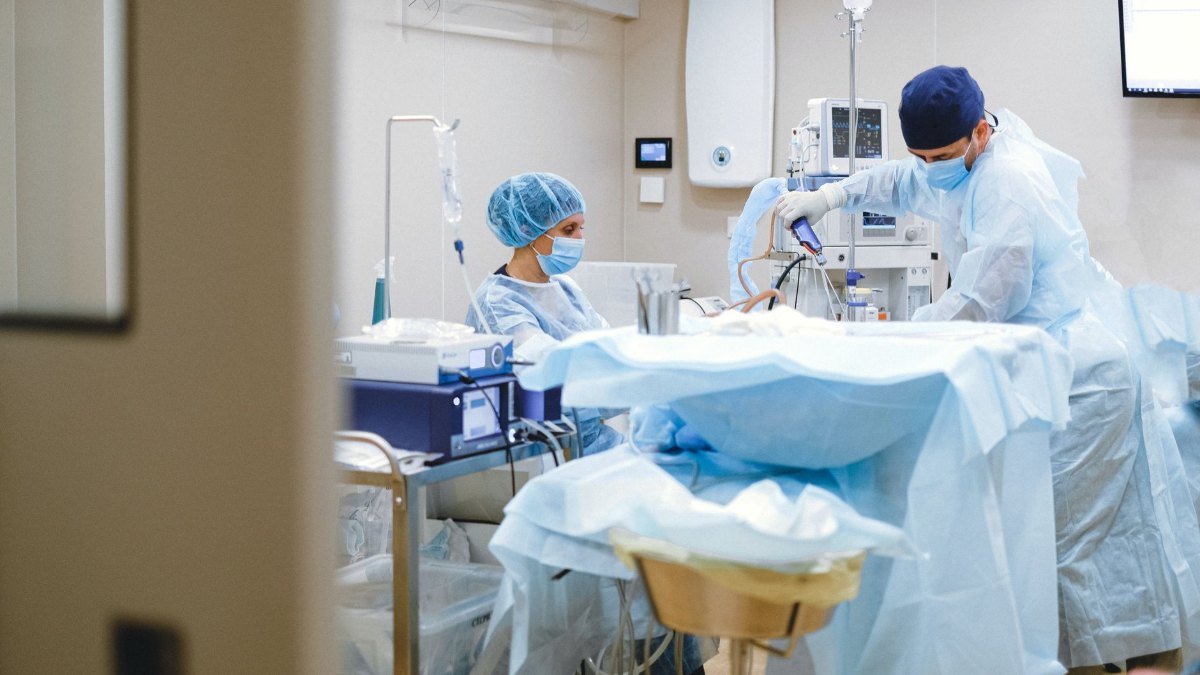
When people want lasting changes to their face or body, many turn to a cosmetic surgeon. These clinics focus on elective procedures for the face, breasts, and body. Some patients start with nonsurgical treatments, and others move directly to surgery. This is what a cosmetic surgeon does at each stage of care when you get an aesthetic enhancement:
Improving Physical Appearance
A cosmetic surgeon changes the shape, size, or contour of specific features. Some procedures target the face, and others address the body. Since each person has different goals, the surgeon reviews your concerns before suggesting any option. Typical procedures include the following:
- Facelift: tightens skin and tissue on the lower face and neck
- Rhinoplasty: reshapes the nose
- Eyelid surgery: removes excess skin around the eyes
- Liposuction: removes stubborn fat deposits
- Breast augmentation: changes breast size and shape
Creating Symmetry
While no face is perfectly symmetrical, noticeable differences sometimes bother patients. One eyebrow may sit higher than the other, or one breast may differ in size. A cosmetic surgeon measures these differences with precise tools and photographs.
Surgeons aim for balance rather than exact matching. When a surgeon adjusts one feature, they study how it relates to nearby features. A nose reshaping affects the look of the chin, so surgeons often assess the full facial profile. Your input on what bothers you guides these choices.
Planning and Performing Surgical Procedures
Planning starts with a consultation, and it often lasts an hour or more. The surgeon reviews your medical history, medications, and past procedures. If you smoke or take blood thinners, the surgeon may ask you to stop before surgery.
After the exam, the surgeon creates a plan that outlines the procedure, anesthesia type, and recovery time. You receive written pre-surgery instructions. Read them carefully, and bring your questions to the next visit.
On surgery day, the surgical team follows strict sterilization protocols. An anesthesia provider tracks your heart rate and breathing, and the surgeon completes the planned steps. While many procedures take several hours, complex combinations may last longer.
Monitoring Progress
Once surgery ends, your surgeon tracks your healing through scheduled follow-up visits. Swelling and bruising usually fade over several weeks, but final results may take months to appear. Your surgeon looks for signs of complications at each visit. Typical follow-up checks cover these areas:
- Incision healing and signs of infection
- Cases of swelling, bruising, and fluid buildup
- Pain levels and medication needs
- Readiness to return to work and exercise
Follow your post-care instructions closely. If you notice fever, spreading redness, or unusual pain, contact the clinic right away. Some patients return for touch-up procedures, and others need only routine check-ins.
Schedule a Cosmetic Surgeon Appointment
A consultation gives you time to ask questions, and you decide afterward whether to move forward. Bring a list of your goals, current medications, and past treatments. Before you book, confirm that the surgeon holds board certification in plastic or cosmetic surgery; ask about recovery time, and plan your schedule around it. Contact a clinic to see a cosmetic surgeon.
- How Certified Midwives Support Women Through Compassionate Health Education and Ongoing Care
- Exploring How Concierge Medicine Offers Personalized Care for Busy Professionals
- Types of Services a Dentist Offers
- The Benefits of a Holistic Approach at Aesthetic Centers
- The Role of a Cosmetic Surgeon in Aesthetic Enhancements