Stem Cell Therapy for Better Joint Health
October 21, 2026
How Cataracts Affect Your Vision
October 22, 2026
Effective wound care plays a key role in supporting healing and improving patient comfort. It involves assessing the wound and addressing factors that may delay recovery. Here is a closer look at the impact of effective wound care on patient outcomes:
Supporting Wound Healing
A wound heals in stages, and each stage needs the right conditions. Clinicians track the wound’s size, depth, and tissue type at each visit. If the wound stops progressing, the wound care provider adjusts the treatment plan. This method keeps the plan matched to the wound’s current stage.
Cleaning and Debriding Wounds
Debridement removes dead or damaged tissue from the wound. Dead tissue blocks new tissue from forming, so providers remove it with gentle tools or special dressings. The provider chooses a method after reviewing the wound and the patient’s health history.
Managing Moisture and Dressings
Clinicians generally aim to keep a wound in an environment that is neither too wet nor too dry. Providers select dressings based on how much fluid the wound produces, and they switch types as the wound changes. Too much moisture can soften the surrounding skin, while too little dries out new tissue.
Reducing Infection and Complications
Open wounds provide a path for bacteria into the body. People with diabetes or reduced circulation have a higher risk of infection, and an infected wound often takes longer to close. A provider checks for early warning signs at each visit so that problems receive attention sooner. When a wound care provider identifies a concern, they may order tests or refer the patient to a specialist.
Some changes suggest a wound needs prompt review. Patients play a role in identifying these changes, and knowing what to look for makes home monitoring easier. Contact your provider if you notice any of the following between visits:
- Spreading redness: Redness that extends beyond the wound edge.
- New odor: A strong smell that was not present before.
- Drainage changes: Fluid that becomes thicker, cloudier, or heavier.
- Warmth or swelling: Skin around the wound that feels hot or puffy.
- Fever or chills: Body-wide symptoms that appear alongside wound changes.
Improving Comfort and Function
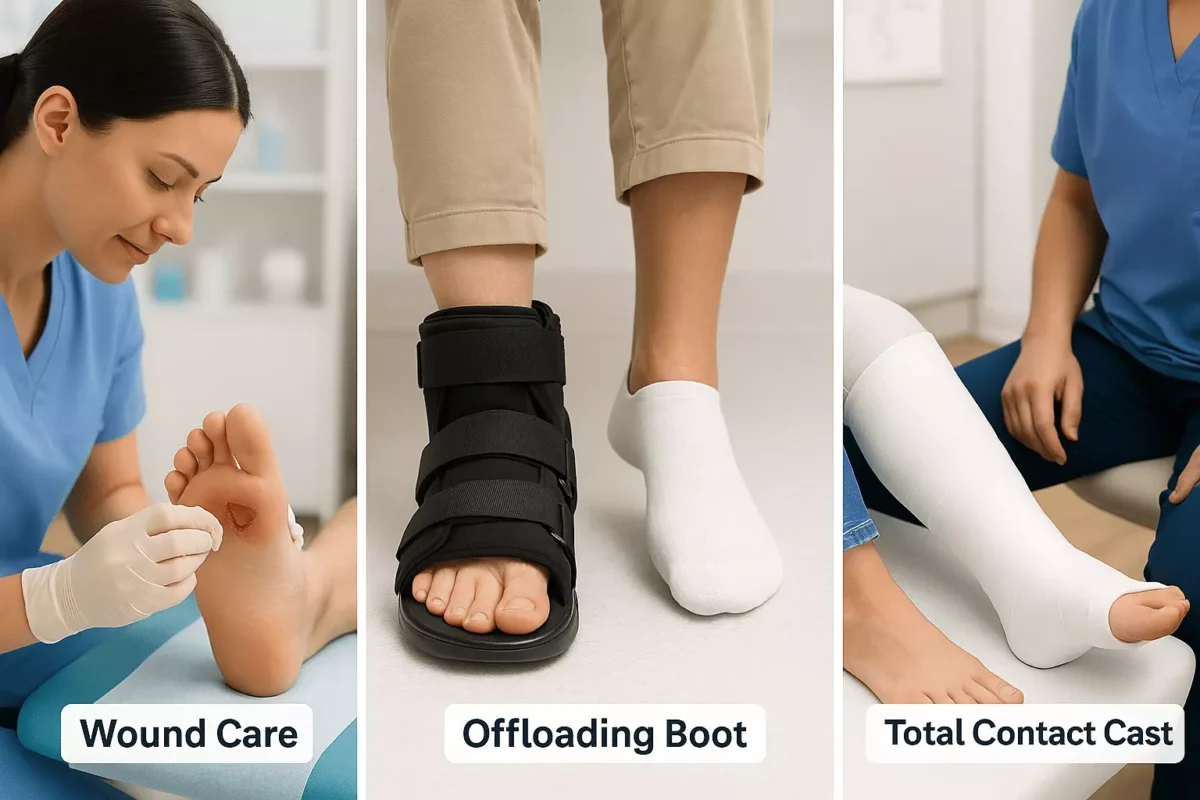
Chronic wounds affect more than the skin. Pain, drainage, and frequent dressing changes can interrupt sleep, work, and routine tasks. Wound care providers often choose dressings that stay in place longer to reduce how often patients change them. Providers also offer guidance on footwear, positioning, and pressure relief. Someone with a foot ulcer may receive an offloading boot that shifts weight away from the wound. These adjustments protect the area while the person stays active and continues daily routines. A clear plan can help patients fit wound care into their schedule.
Reducing Wound Recurrence
A closed wound does not mean the risk of recurrence is gone. Healed skin is often weaker than the original tissue, and the underlying cause, such as poor circulation or high blood sugar, often remains. Providers who understand why the wound formed can help patients address those factors. This focus on the root cause is key to long-term wound care. Prevention plans generally include daily skin checks, proper footwear, and regular follow-up visits. Patients with diabetes should inspect their feet daily and report cuts, blisters, or color changes promptly.
Book Your Wound Care Appointment
Understanding why a wound forms is fundamental to addressing the underlying factors and promoting sustainable healing. Prevention strategies such as daily skin checks play a significant role in preventing complications, especially for patients with diabetes. Reporting changes like cuts, blisters, or discoloration early allows timely intervention and reduces the risk of more severe issues. Contact a qualified vein specialist near you to book your wound care appointment today.
- How Certified Midwives Support Women Through Compassionate Health Education and Ongoing Care
- Exploring How Concierge Medicine Offers Personalized Care for Busy Professionals
- Types of Services a Dentist Offers
- The Benefits of a Holistic Approach at Aesthetic Centers
- The Role of a Cosmetic Surgeon in Aesthetic Enhancements