
How Cataracts Affect Your Vision
October 22, 2026
The Benefits of Porcelain Veneers for Teeth Alignment Issues
October 23, 2026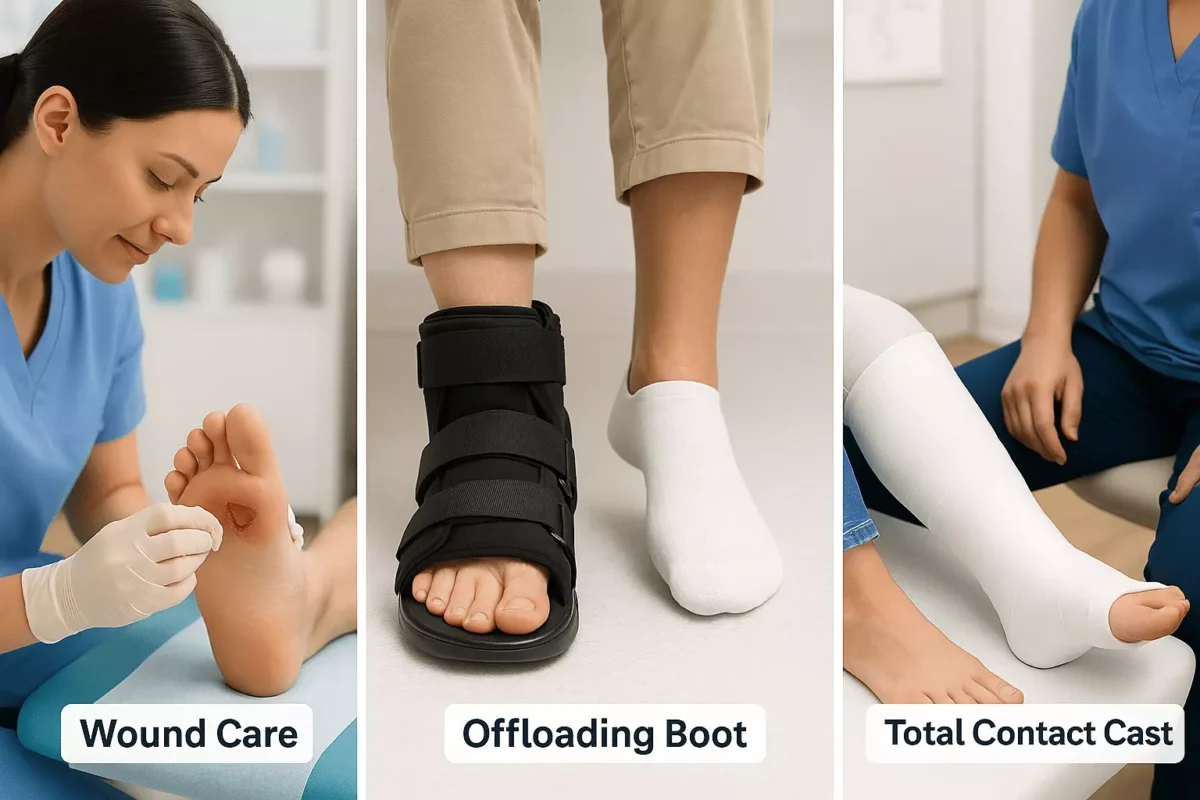
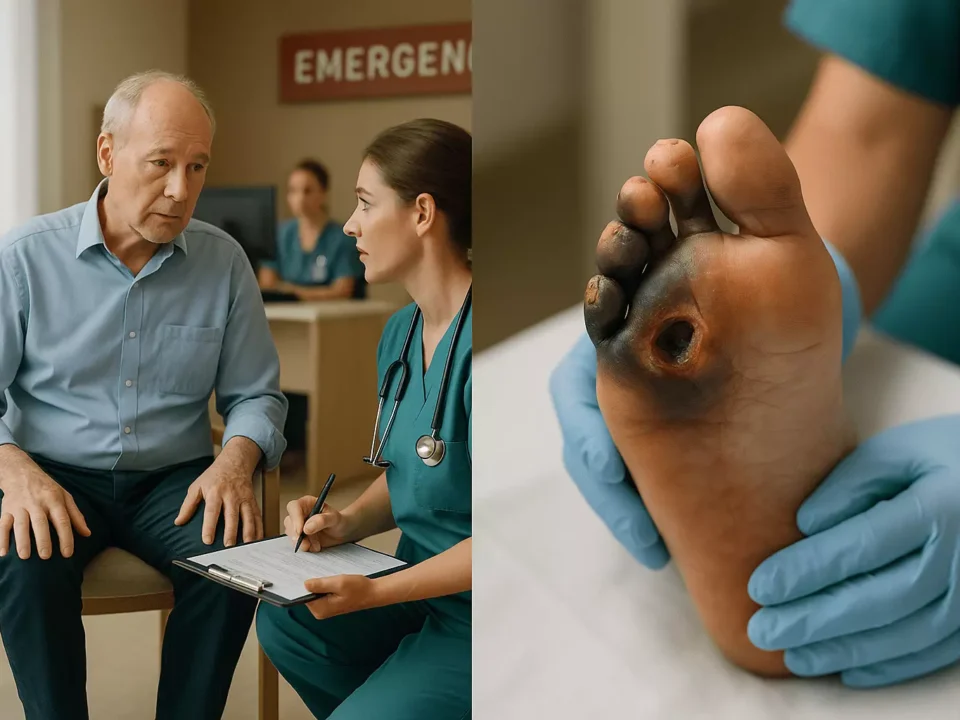
Advanced wound care manages wounds that do not progress through normal healing stages. Medical providers offering wound care services evaluate the wound, surrounding tissue, and the patient’s overall health before selecting a treatment plan. Chronic ulcers form when an underlying condition interferes with circulation, sensation, or tissue repair, so vascular specialists commonly care for these wounds. Here’s more information on advanced wound care services for chronic ulcers:
Get Appropriate Wound Dressings
Wound dressings are a foundational part of chronic ulcer care. A dressing covers the wound, protects it from outside contaminants, and helps manage the wound environment. Some dressings absorb excess fluid, and others add moisture to dry wounds. Some common dressing types include:
- Foam Dressings
- Hydrocolloid Dressings
- Alginate Dressings
- Hydrogel Dressings
- Antimicrobial Dressings
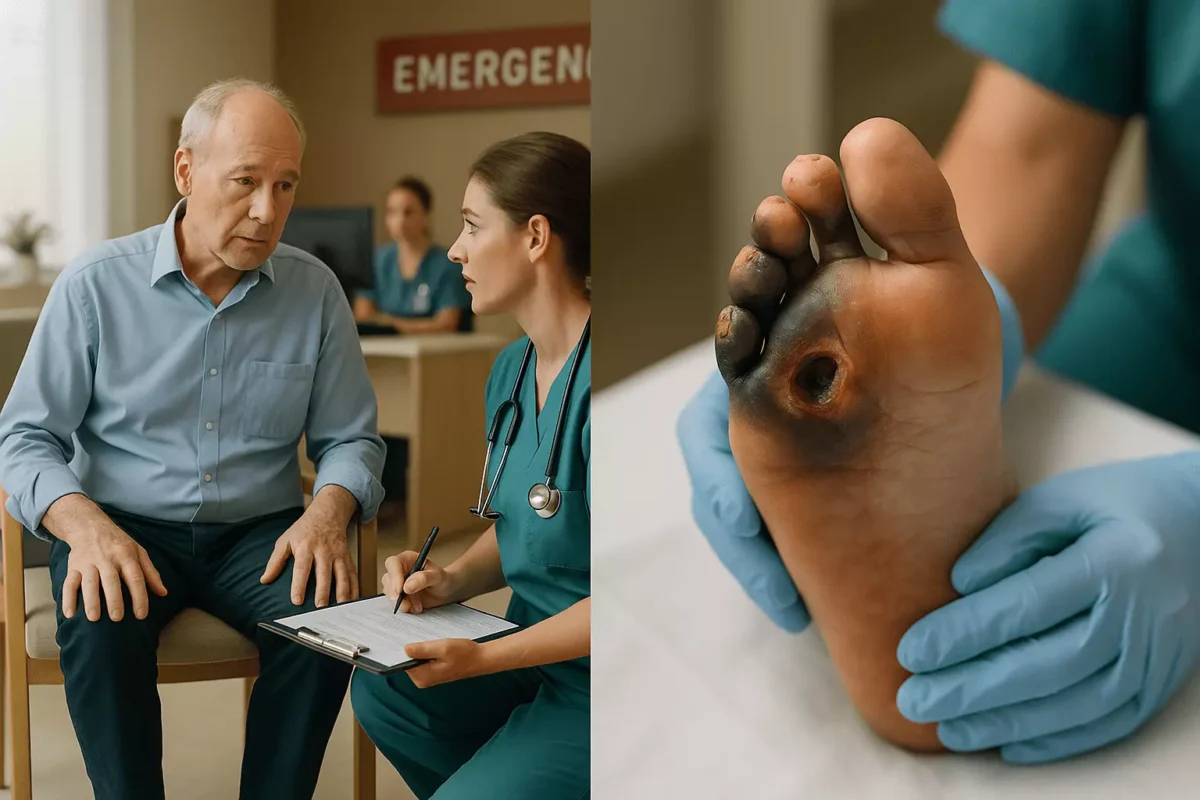
Common contributing factors to developing chronic ulcers include diabetes, peripheral artery disease, venous insufficiency, and prolonged pressure on the skin. Diabetic foot ulcers develop when nerve damage reduces sensation in the feet, whereas venous leg ulcers form when damaged vein valves allow blood to pool in the lower legs. Wound care providers select a dressing based on the wound’s size, depth, drainage level, and location. Regular follow-up visits allow the care team to reassess the wound and adjust the dressing type as needed, enabling timely wound care services.
Benefit From Hyperbaric Oxygen Therapy
Along with appropriate dressings, hyperbaric oxygen therapy (HBOT) involves breathing pure oxygen inside a pressurized chamber. A typical session lasts about 90 minutes to two hours; patients need multiple sessions over several weeks. The chamber’s air pressure is higher than normal atmospheric pressure, allowing the lungs to take in more oxygen than they would at normal pressure. The bloodstream then carries this oxygen to tissues throughout the body, including the chronic wound site.
Wound care teams may recommend HBOT for certain diabetic foot ulcers, radiation injuries, and wounds with limited blood flow. During each session, a patient lies in a clear chamber and can rest or watch television. HBOT is not appropriate for every patient, so the care team screens each person before the first session. This screening includes a review of medical history, current medications, and any lung or ear conditions.
Get Skin Substitutes or Grafting
When an ulcer doesn’t respond to standard care over several weeks, providers may discuss using skin substitutes or tissue grafting. Timing is a key factor in this treatment decision. Providers will evaluate the wound’s progress at regular intervals to determine when these options may be appropriate. Skin substitutes are biological or synthetic materials placed over a prepared wound bed. Some come from human donor tissue, such as amniotic membrane or donated skin, while others come from animal sources, including porcine or bovine collagen.
Synthetic options use engineered materials designed to mimic skin structure. Providers apply these products during an outpatient visit. Some products dissolve over time, but others require removal at a follow-up appointment. A skin graft involves moving healthy skin from one area of the body, called the donor site, to the wound. There are two common skin graft types:
- Split-thickness grafts include the top layer of skin and part of the layer beneath it.
- Full-thickness grafts include both complete layers.
Surgeons usually perform grafting in a hospital or surgical center. Before the procedure, the wound bed must be clean and have adequate blood flow; this promotes a healthy environment for recovery. Afterward, patients follow specific instructions for caring for both the graft site and the donor site. Periodic follow-up appointments allow vascular specialists to make sure wounds are healing as they should.
Learn More About Wound Care Services
Many chronic ulcers are linked to blood flow problems. Vascular specialists diagnose and treat conditions affecting the arteries and veins, including peripheral artery disease and chronic venous insufficiency. Because these conditions often contribute to slow-healing wounds, vascular specialists frequently work with wound care patients. They can order tests such as ankle-brachial index measurements and duplex ultrasound to assess circulation in the legs. To learn about which services may fit your needs, contact a vascular specialist today.
- How Certified Midwives Support Women Through Compassionate Health Education and Ongoing Care
- Exploring How Concierge Medicine Offers Personalized Care for Busy Professionals
- Types of Services a Dentist Offers
- The Benefits of a Holistic Approach at Aesthetic Centers
- The Role of a Cosmetic Surgeon in Aesthetic Enhancements