

The Benefits of a Holistic Approach at Aesthetic Centers
October 23, 2026
Exploring How Concierge Medicine Offers Personalized Care for Busy Professionals
October 23, 2026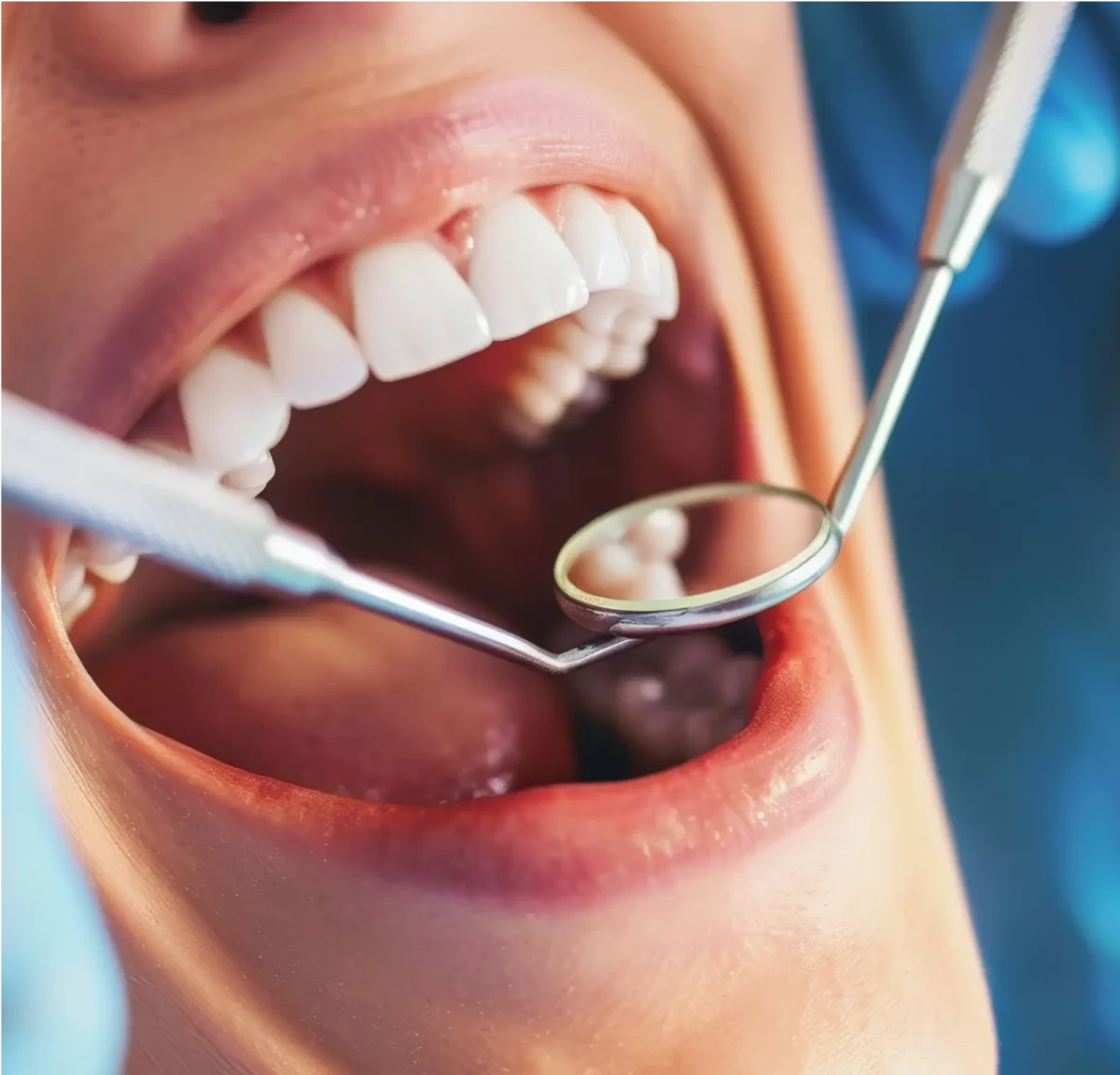
Dentists provide preventive, restorative, and cosmetic services to address different oral health needs. Routine appointments often include dental examinations, professional cleanings, and X-rays, while additional treatments address damaged, missing, or discolored teeth. Because dental needs vary, understanding available services helps patients prepare for appointments and discuss treatment options with their dentist. Here are a few different types of services a dentist offers:
Preventing Dental Problems Early
Preventive dental care involves routine examinations that help providers monitor oral health and identify changes over time. During these appointments, dentists examine teeth and gums for cavities, inflammation, and signs of gum disease. They also evaluate bite alignment and jaw function to identify concerns that may require additional attention. Because oral health needs vary, dentists recommend follow-up appointments and preventive treatments based on individual findings.
Dental X-rays provide additional information about areas that are difficult to examine during a visual inspection. These images help dentists evaluate tooth roots, jawbone structure, and conditions such as impacted teeth or bone loss. When combined with routine examinations, X-rays provide a more detailed picture of a patient’s dental health. Dentists also compare previous images and examination findings to monitor changes and guide future treatment recommendations.
Restoring Damaged or Missing Teeth
Restorative dentistry focuses on repairing damaged teeth, replacing missing teeth, and addressing conditions that affect oral function. Dentists evaluate the extent of tooth damage, surrounding tissues, and individual oral health needs before recommending treatment. Common restorative dental services include:
- Dental Crowns: Covering damaged or weakened teeth to restore their shape and function.
- Root Canal Therapy: Removing infected or inflamed tissue from inside a tooth.
- Tooth Extractions: Removing severely damaged or decayed teeth that cannot be restored.
- Dental Implants: Replacing missing tooth roots with artificial structures that support replacement teeth.
- Porcelain Bridges: Filling spaces left by missing teeth using artificial teeth supported by adjacent teeth or implants.
- Dentures: Replacing multiple missing teeth with removable or implant-supported appliances.
Each treatment addresses different dental concerns, and some patients may require multiple procedures to restore their oral health. Dentists develop treatment plans based on examination findings, existing dental conditions, and individual restorative needs.
Enhancing Smiles Cosmetically
Cosmetic dentistry focuses on improving the appearance of teeth through treatments that address discoloration, gaps, and alignment concerns. Porcelain veneers cover the front surfaces of teeth to address chips, uneven shapes, and certain stains. Teeth whitening treatments lighten discoloration, while clear braces gradually straighten misaligned teeth. Dentists recommend cosmetic treatments based on individual dental conditions and aesthetic goals.
Addressing Dental Emergencies
Dental emergencies involve sudden injuries or symptoms that require prompt evaluation and treatment. Dentists assess the affected area, identify possible causes, and recommend treatment based on the patient’s condition. Common concerns include severe toothaches, broken teeth, and damaged dental restorations.
Some dental problems develop unexpectedly, while others result from untreated decay or existing oral health conditions. Because symptoms vary, patients should contact their dentist to discuss appropriate treatment and appointment availability. Common signs of a dental emergency include:
- Experiencing severe or persistent tooth pain
- Noticing swelling around the teeth or gums
- Breaking or chipping a tooth
- Losing a filling or dental crown
- Experiencing bleeding that does not stop
- Having a permanent tooth knocked out
Schedule Your Next Dentist Appointment
Dental care includes preventive, restorative, cosmetic, and emergency treatments that address different oral health needs. Routine examinations allow dentists to evaluate oral health, while additional procedures address damaged teeth, missing teeth, and cosmetic concerns. Because dental needs vary, providers recommend treatments based on examination findings, symptoms, and individual goals. Contact a dental office today to schedule an appointment and discuss your oral health needs.
- How Certified Midwives Support Women Through Compassionate Health Education and Ongoing Care
- Exploring How Concierge Medicine Offers Personalized Care for Busy Professionals
- Types of Services a Dentist Offers
- The Benefits of a Holistic Approach at Aesthetic Centers
- The Role of a Cosmetic Surgeon in Aesthetic Enhancements