

The Impact of Effective Wound Care on Patient Outcomes
October 22, 2026
Exploring Advanced Wound Care Services for Chronic Ulcers
October 22, 2026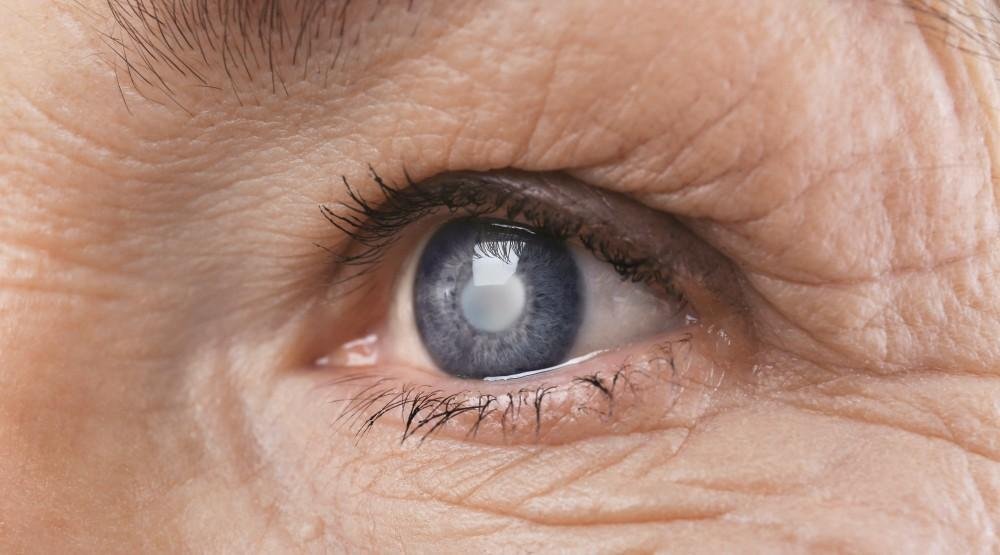
Cataracts occur when the eye’s natural lens becomes cloudy, causing vision to appear blurred, hazy, or less vivid. These changes develop gradually and make everyday activities more difficult. Here is an overview of how cataracts affect your vision:
How Do Cataracts Affect Vision?
A clear lens allows light to travel directly to the retina. The retina converts that light into signals, and the optic nerve carries those signals to the brain. When cataracts develop, they block or scatter some incoming light.
Light Scattering
Cloudy patches in the lens bend light in random directions. As a result, the image on the retina loses sharpness, and fine details become harder to see. This effect increases as the cataract grows denser over time.
Lens Discoloration
The lens gradually turns yellow or brown as cataracts advance. This tint filters certain colors, so whites look dull, and blues appear muted. Most people do not notice the change right away because it happens slowly.
Which Vision Changes Occur?
Cataracts produce a recognizable set of symptoms. Some appear early, while others develop as the lens becomes cloudier. Tracking these changes can help you give your eye doctor accurate information. Common signs of cataracts include the following:
- Blurred or cloudy vision: Objects look as if you are viewing them through a fogged window.
- Glare and halos: Headlights, lamps, and sunlight produce bright rings or a harsh glow.
- Faded colors: Colors lose their brightness and take on a yellow or brown tint.
- Poor night vision: Low-light settings become harder to navigate.
- Frequent prescription changes: Your glasses or contact lens prescription changes more often than usual.
Which Activities Become Difficult?
Vision changes from cataracts affect tasks that require sharp and high-contrast sight. Reading small print becomes slower, and you may need brighter light to see text clearly. When glare increases, screens and glossy pages also become harder to view for long periods.
Driving is often the first activity people notice changing. A driver may see halos around oncoming headlights at night, which makes road signs and lane markings harder to read. Some adults respond by limiting nighttime trips, and some stop driving after dark entirely.
Cataracts also affect safety and independence at home. Reduced contrast makes steps, curbs, and uneven floors harder to judge, increasing the risk of trips and falls. Hobbies such as sewing, cooking, and recognizing faces from across a room also take more effort.
How Can Vision Improve?
In the early stages, adjustments may help some people manage their symptoms. An updated eyeglass prescription sharpens vision, and anti-glare coatings reduce the effect of bright lights. Brighter task lighting, magnifying lenses, and large-print materials can also make reading easier while the cataract remains mild.
When cataracts interfere with daily tasks, an eye specialist may recommend cataract surgery. During this procedure, the surgeon removes the cloudy lens and replaces it with a clear artificial lens called an intraocular lens. Your doctor reviews your eye health, overall medical history, and visual needs before recommending this option. Regular eye exams remain a key part of cataract care. A specialist measures how quickly the cataract changes and checks for related conditions such as glaucoma or retinal problems.
Manage Your Cataracts Today
Cataract management involves monitoring the condition’s progression through regular eye exams and tracking your symptoms over time. When appropriate, surgical options can significantly improve vision. Staying proactive by maintaining overall eye health can also help manage cataracts more effectively. To manage your cataracts, contact a qualified retina specialist near you to schedule your appointment today.
- How Certified Midwives Support Women Through Compassionate Health Education and Ongoing Care
- Exploring How Concierge Medicine Offers Personalized Care for Busy Professionals
- Types of Services a Dentist Offers
- The Benefits of a Holistic Approach at Aesthetic Centers
- The Role of a Cosmetic Surgeon in Aesthetic Enhancements