
The Impact of Lifestyle Choices on Prenatal Care
October 19, 2026
Understanding How Psychiatrists Treats Mental Health Disorders in Children
October 20, 2026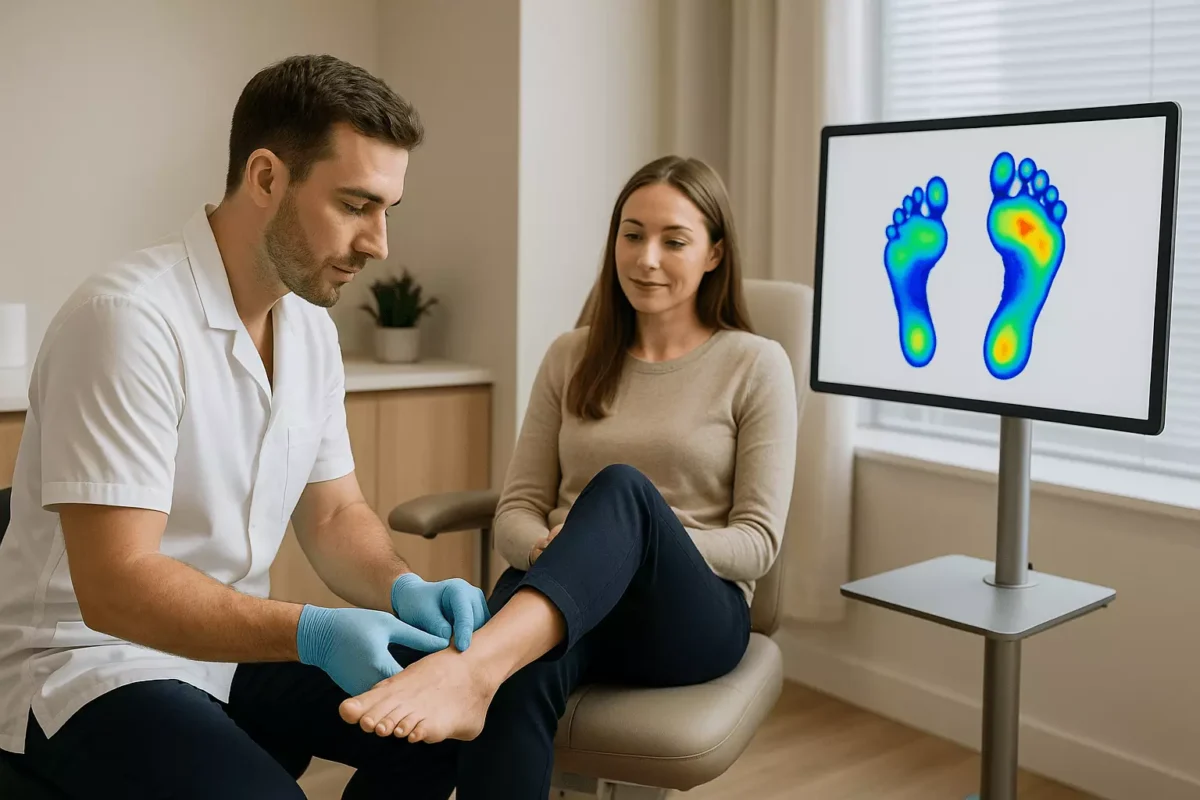
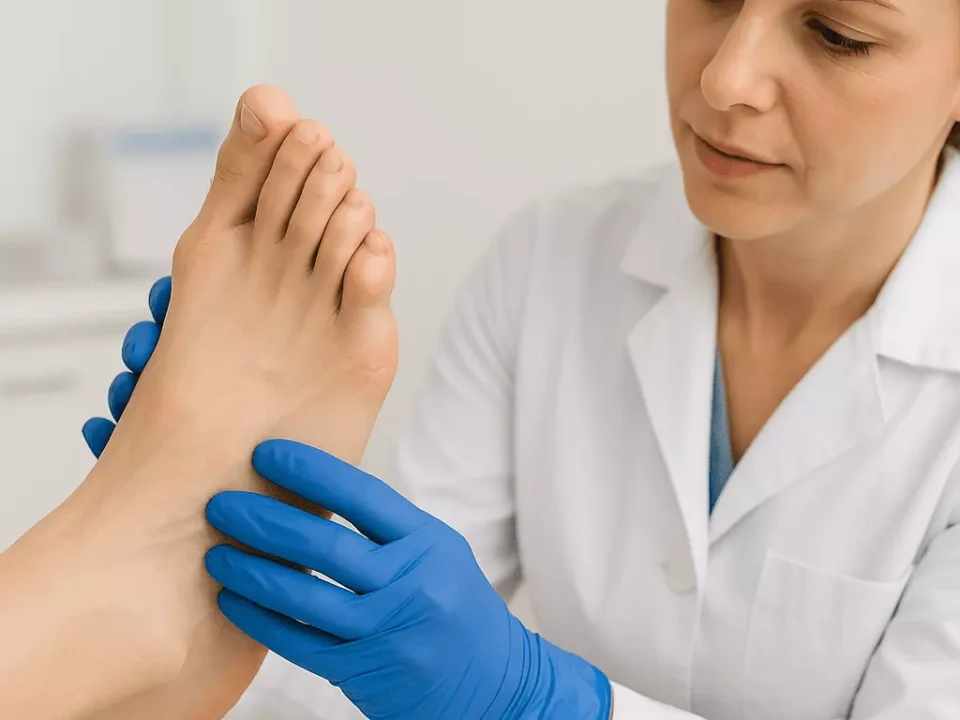
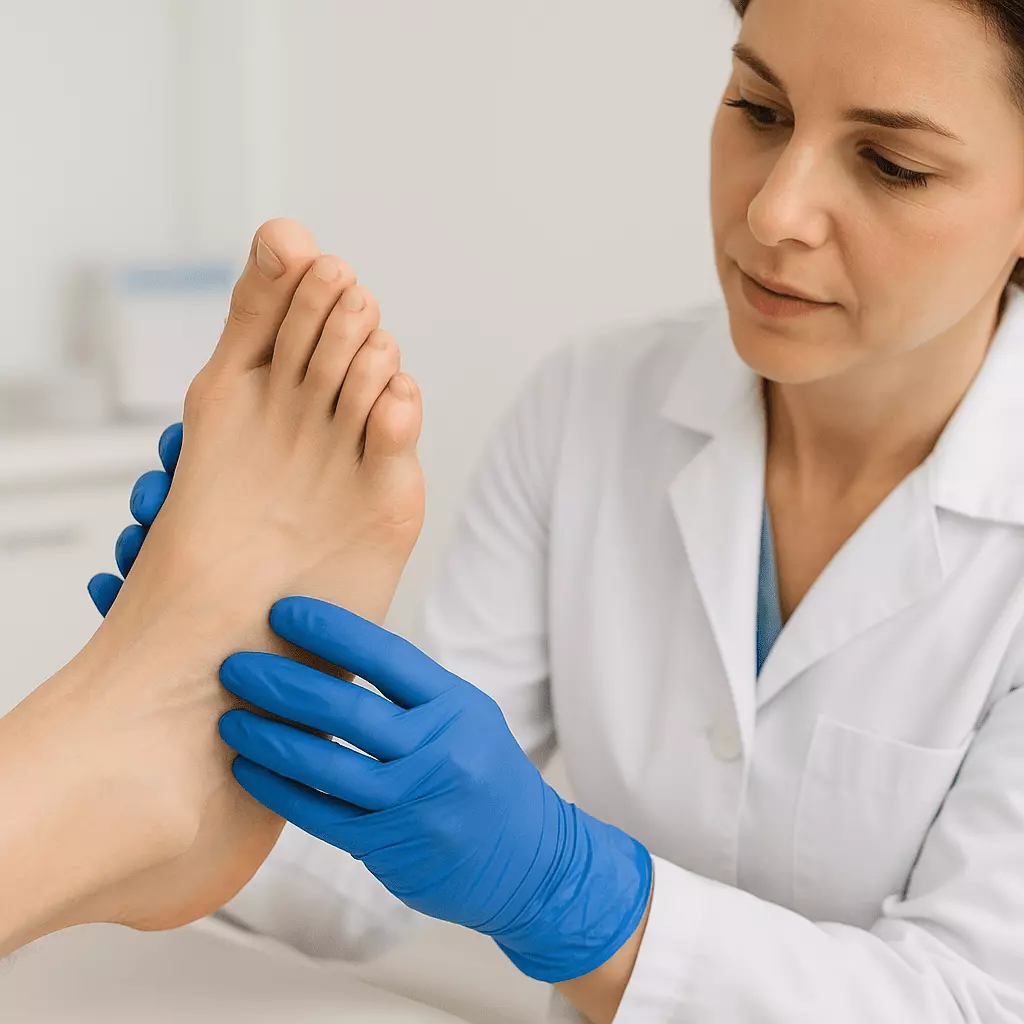
Flat feet occur when the arch along the inner sole sits low or makes full contact with the ground during standing. This structural variation affects people of all ages, and the signs may differ from person to person. Understanding what to look for helps you make informed treatment decisions. Here’s more information about this condition and how to address it:
Recognizing Physical Arch Indicators
The arch itself provides the most direct visual clue in individuals with flat feet. Stand barefoot on a hard floor and observe the inner edge of each foot. If the middle of your sole presses flat against the surface, your arch may sit lower than average, and both feet deserve a close look since arches do not always match. A footprint test adds helpful detail. Wet the soles of your feet, then step onto a dark towel or a sheet of paper. A print that shows the full width of your foot with little inward curve points to a low arch structure.
Other physical signs that may be worth noting include:
- Ankles that tilt inward during standing
- Heels that angle outward when viewed from behind
- Uneven wear along the inner edges of your shoe soles
- Toes that point outward more than usual
You may photograph each foot from the front, side, and back to build a record for your provider. Document your observations consistently so that any changes over time become easier to track.
Observing Posture and Movement
Your feet provide the base of support for standing and help maintain balance. Stand in front of a full-length mirror and observe your knees and ankles; if your knees move inward or your ankles appear to roll inward, note the pattern. Flat feet and excessive foot pronation may be associated with changes in lower-limb biomechanics, although the relationship varies among individuals.
Gait patterns reveal another layer of information. Some people with flat feet roll their feet inward with each step, a movement called overpronation; a brief video recorded from behind may capture this motion more clearly than a mirror. Ask someone to record a short clip of you walking so you have visual evidence to share with a specialist.
Well-worn shoes also serve as useful evidence, so try setting a pair flat on a table and checking the heel from behind. If the heel leans inward, your stride likely involves extra inward motion. Keep a brief activity log as well, noting when your feet or lower legs fatigue; these details give a provider a more comprehensive picture of your daily routine.
Knowing When To Seek Care
A podiatrist specializes in foot and ankle health, and several circumstances make scheduling a visit the right move. Noticing multiple signs together, or finding that the signs appear in only one foot, warrants a professional evaluation. A gradual change in arch height over time is another reason to call. Children may require a distinct approach. Many young children display low arches that fill in as they develop, so a flat appearance alone doesn’t always indicate a concern. Frequent tripping or reported foot aches in a child merit a conversation with a pediatrician or podiatrist.
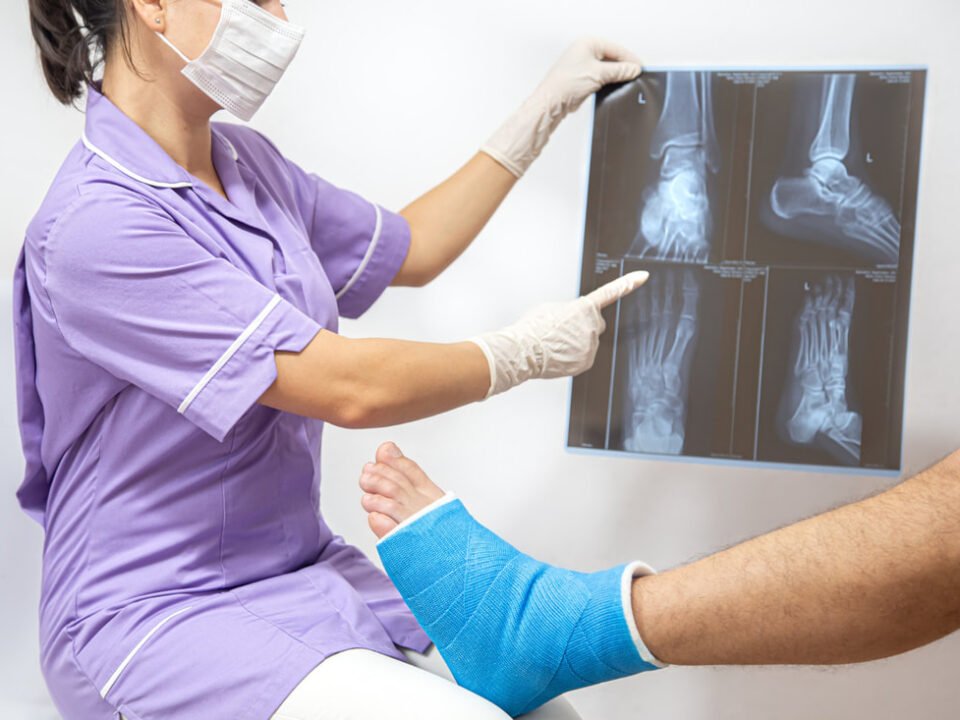
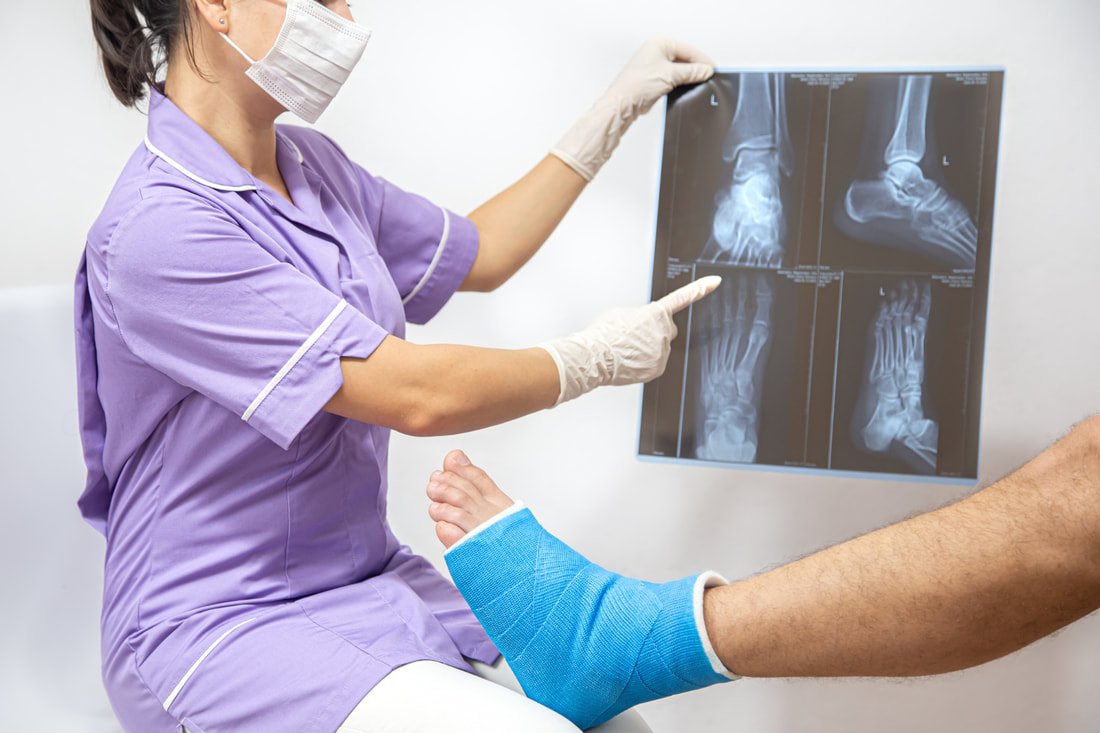
When attending your appointment, bring the shoes you wear most, along with your photos, videos, and activity log. Describe when you first noticed each sign. During the visit, the podiatrist may examine your feet in sitting, standing, and walking positions; some also order imaging tests. These steps help complete the assessment to find suitable treatment options, such as custom orthotics.
Find Treatment for Flat Feet
Recognizing flat feet involves observing your arches, footprints, gait, and shoe wear patterns. Treatment options vary depending on the severity; they range from custom shoe inserts and walking boots to surgical correction. If you notice any of the indicators described here, contact a podiatrist’s office to schedule an evaluation.
- How Certified Midwives Support Women Through Compassionate Health Education and Ongoing Care
- Exploring How Concierge Medicine Offers Personalized Care for Busy Professionals
- Types of Services a Dentist Offers
- The Benefits of a Holistic Approach at Aesthetic Centers
- The Role of a Cosmetic Surgeon in Aesthetic Enhancements