Common Allergic Reactions and How To Treat Them
October 1, 2026
Understanding the Process of Genetic Counseling for Autoimmune Diseases
October 2, 2026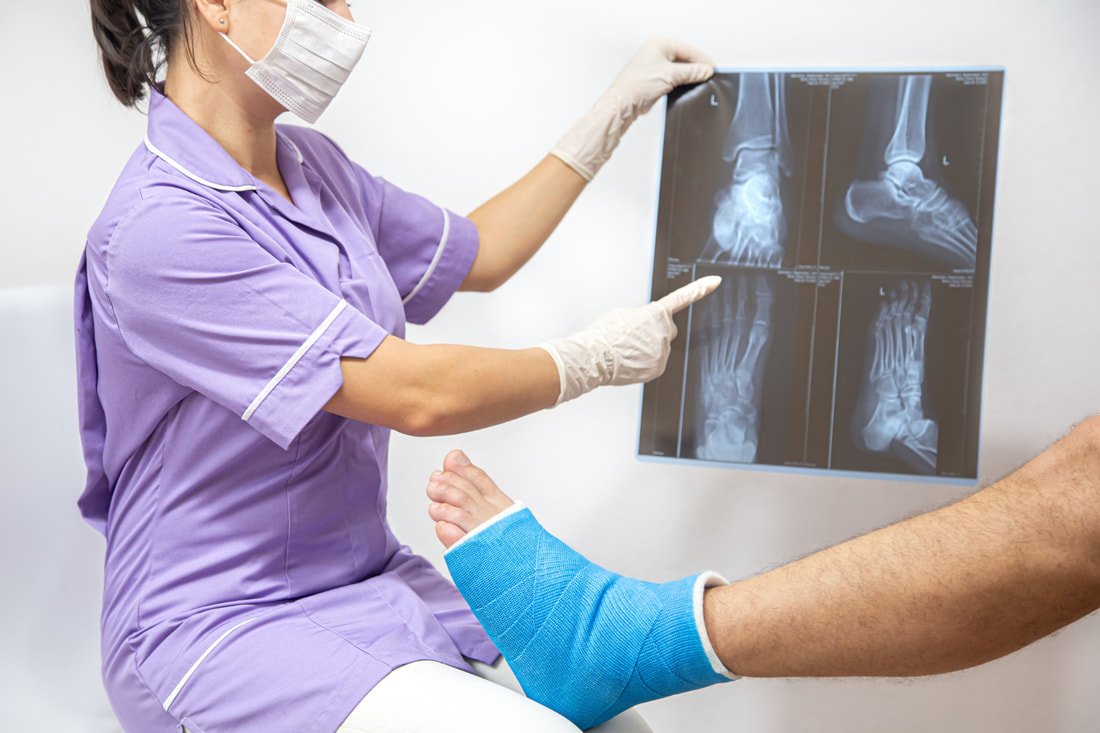
Orthopedic surgery addresses conditions of the musculoskeletal system, which includes bones, joints, and muscles, and orthopedic surgeons manage each phase of care. These specialists oversee your care from the evaluation and planning period through surgery and recovery. After a procedure, the surgeon tracks your healing through follow-up visits and often works with physical therapists to shape your rehabilitation plan. Knowing how each surgical technique affects recovery can help you prepare for the weeks ahead. Here’s more information on the recovery process after arthroscopy orthopedic surgery:
Utilizing Arthroscopic Surgical Techniques
Arthroscopy lets surgeons examine and treat the inside of a joint through small openings in the skin, making it a minimally invasive procedure. The surgeon inserts an arthroscope, a thin tube with a light and camera, and the camera sends images to a monitor, which displays real-time video of joint structures like:
- Cartilage
- Ligaments
- Muscles
- Tendons
This orthopedic surgery technique can be a diagnostic or treatment tool. X-rays and MRIs do not always reveal the cause of joint pain, swelling, or instability. A direct view inside the joint can help the surgeon identify tears, inflamed tissue, or loose fragments of bone or cartilage.
The surgeon may confirm a diagnosis during arthroscopy and often treats the problem in the same session. Specialized instruments passed through additional small incisions allow the surgeon to trim, repair, or remove damaged tissue. Each opening typically measures about a quarter to half an inch. Open surgery may require an incision several inches long; arthroscopy usually needs only two or three small portals. Surgeons commonly use arthroscopy on small and large joints, so this approach may address meniscus tears, rotator cuff tears, labral tears, and certain ligament injuries.
Benefiting From Smaller Incisions
During open surgery, a surgeon cuts through skin, muscle, and connective tissue to reach the treatment site. This access route disturbs healthy tissue that must also heal after the procedure. Minimally invasive techniques limit that disruption. Instruments pass through small portals, leaving surrounding muscles and tendons largely undisturbed. With less tissue to repair, the body may focus more of its healing on the treated area.
Many arthroscopic procedures take place in an outpatient setting. Patients may return home the same day, while open procedures sometimes require one or more nights in the hospital. Rehabilitation may also begin earlier, such as with physical therapy sessions, which typically focus on supporting range of motion, strength, and stability. Starting these exercises sooner can support a gradual return to daily activities. Recovery timelines still depend on the specific procedure, the extent of the injury, your age, and your overall health.
Minimizing Your Risks
All surgeries involve some degree of risk, but minimally invasive techniques aim to reduce several common concerns. Infection is a key surgical risk. Smaller incisions leave less tissue exposed to the surrounding environment, which may lower the chance of bacteria reaching the surgical site.
Shorter procedures and hospital stays can also limit exposure to infection-causing organisms. Postoperative pain often relates to how much tissue is disturbed during surgery. Because arthroscopy preserves more muscle and soft tissue, patients may experience less discomfort during recovery.
Scarring follows a similar pattern; arthroscopic portals leave small marks that fade over time. Open surgery tends to produce a longer, more visible scar. Following your surgeon’s wound care instructions, including keeping incisions clean and dry, can support proper healing.
Prepare for Your Orthopedic Surgery
To help you prepare for your orthopedic surgery recovery, ask your surgeon which surgical techniques are appropriate for your case. Discuss the expected recovery timeline, activity restrictions, and any medications you may need to stop before the procedure. Arrange for a ride home and for help with household tasks during the first few days. Your surgeon will provide a rehabilitation plan, and following it consistently can support your progress. Attending each follow-up appointment allows your surgeon to monitor healing and adjust your care as needed.