
Tips for Effective Wound Care at Home
October 1, 2026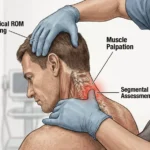
Identifying and Treating Chronic Neck Pain in Athletes
October 1, 2026
A medical weight loss plan is a structured, provider-guided program tailored to your health profile, and it provides support for sustainable weight management. These plans may combine nutrition planning, physical activity, medical interventions, and ongoing monitoring into one coordinated approach. Here’s information about creating a personalized weight loss plan with help from a medical professional:
Starting With Assessment and Goals
Every plan begins with a thorough assessment. Your provider reviews your health history, current measurements, and the factors that influence how your body responds to changes in diet and movement. This baseline informs each decision that follows, including whether medical weight loss injections are a suitable addition to your plan. Goal-setting follows the assessment, and it forms the structural foundation of your program. Your provider helps you define specific, measurable targets, such as a clear timeline, a set of milestones, or both, so you have a reference point for tracking progress.
Building Your Treatment Plan
Once your goals are established, your provider helps form the daily and clinical structure of your plan. Nutrition, physical activity, and medical support work together, and each component reflects the baseline data gathered during the assessment phase. Your nutrition plan outlines how you approach meals and food choices throughout the week. Practical guidelines support this structure, and you may design your plan to travel with you, whether at home, at work, or on the go. A well-built nutrition plan sometimes includes:
- Clear portion guidance tailored to your profile
- A structured meal schedule with balanced food choices
- Routine-friendly adjustments that fit your lifestyle
- Practical substitutions for everyday situations
Activity planning complements your nutrition structure. Your provider may map out a routine that matches your current ability and builds progressively; steady, consistent habits help reinforce the overall framework of your plan. For some individuals, medical weight loss injections serve as an additional tool. Your provider evaluates your health profile to determine whether injections align with your goals; options include tirzepatide and semaglutide. The provider outlines the schedule, monitors your response, and adjusts all components to keep the plan working as a unified whole.
Tracking Progress and Adjustments
A personalized plan doesn’t always stay static after it begins. Regular check-ins give your provider the data needed to confirm whether the current approach still aligns with your goals, and ongoing monitoring keeps every element of the plan accurate. During each check-in, your provider may review measurements, document changes, and compare results against the milestones established at the start. This process transforms raw data into practical guidance.
When the numbers indicate a component needs refinement, your provider adjusts the structure accordingly; this may involve reviewing nutrition guidelines, activity targets, or injection schedules. This cycle of monitoring and adjustment is a fundamental part of sustaining a practical, long-term plan. It helps keep the plan responsive and current.
Learn More About Medical Weight Loss
A personalized weight loss plan follows a clear, structured path. It begins with a detailed assessment and defined goals, and it progresses through coordinated nutrition, activity, and medical planning. Some plans include injections and rely on consistent monitoring to keep every aspect coordinated. Each stage builds directly on the one before it, which creates a framework designed around your specific profile and objectives. Schedule a consultation with a medical weight loss provider to create a structured plan built around your goals.