
Tips for Working With an Ophthalmologist
October 14, 2026
Comprehensive Ingrown Toenail Care
October 15, 2026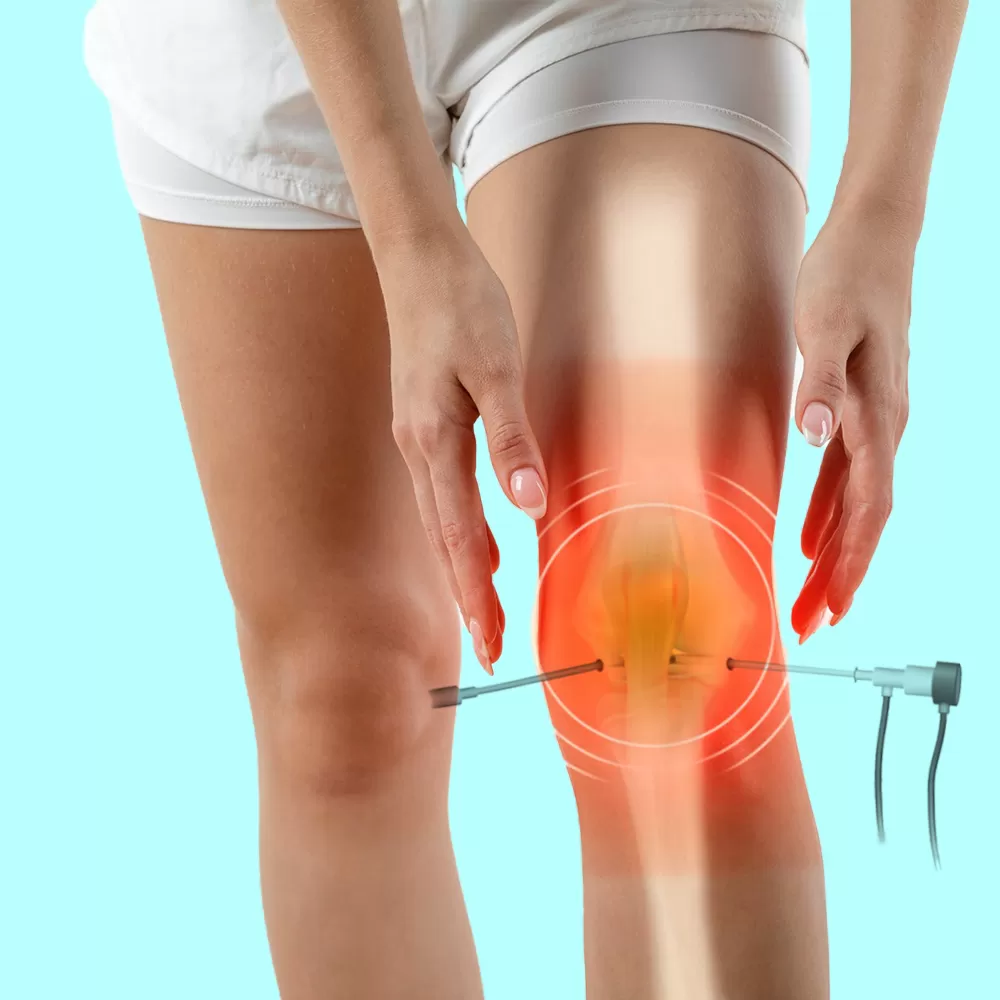
Arthroscopy is a minimally invasive procedure that allows orthopedic surgeons to examine joint structures through a small, camera-equipped instrument. Surgeons use arthroscopy alongside imaging tests to investigate joint pain, injuries, and inflammation, while certain conditions may require minor surgical repairs. Because the procedure provides a direct view inside the joint, surgeons can evaluate affected tissues and perform appropriate treatments when needed. Here is more information about the role of an arthroscopy:
Defining Arthroscopy and Its Purpose
Arthroscopy is a minimally invasive surgical procedure used to examine and treat conditions affecting joints. An orthopedic surgeon inserts a thin instrument containing a camera and light through a small incision near the joint. The camera displays images on a monitor, allowing the surgeon to examine cartilage, ligaments, and surrounding tissues. Depending on the findings, additional instruments may be used to perform repairs during the same procedure.
Unlike traditional open surgery, arthroscopy uses smaller incisions to access the affected joint. This approach generally involves less disruption to surrounding tissues, although recovery depends on the condition and treatment performed. Because arthroscopy serves diagnostic and therapeutic purposes, surgeons use it to investigate joint problems and address certain injuries. The procedure may be recommended when symptoms, examination findings, and imaging results indicate a need for further evaluation or treatment.
Diagnosing Joint Conditions Accurately
Arthroscopy allows orthopedic surgeons to examine joint structures directly when evaluating certain injuries or persistent symptoms. Surgeons review physical examination findings and imaging results, while arthroscopy provides additional information about cartilage, ligaments, and surrounding tissues. Because joint conditions vary, the procedure may help investigate several concerns, including:
- Identifying cartilage damage associated with injuries or joint degeneration.
- Evaluating ligament injuries that affect joint stability and movement.
- Examining meniscus tears involving the cartilage within the knee.
- Investigating joint inflammation associated with persistent pain or swelling.
- Locating loose fragments of bone or cartilage within the joint.
Arthroscopy may be recommended when imaging and clinical evaluations indicate a condition that requires surgical assessment or treatment. The camera provides a direct view of affected tissues, while specialized instruments allow certain repairs during the procedure. Surgeons use these findings to determine appropriate treatment options based on the condition and individual healthcare needs.
Performing the Arthroscopic Procedure
Arthroscopy is commonly performed as an outpatient procedure using anesthesia appropriate for the patient and planned treatment. The surgical team prepares the affected area, while the surgeon makes a small incision near the joint. Additional incisions may provide access for specialized surgical instruments.
The surgeon inserts an arthroscope to examine cartilage, ligaments, and surrounding joint structures through a video monitor. Depending on the findings, the surgeon may remove loose tissue fragments or perform repairs using additional instruments. Because treatment needs vary, the procedure differs according to the affected joint and underlying condition.
After completing the examination or treatment, the surgeon removes the instruments and closes the small incisions. Bandages are applied to the treated area, and patients receive instructions for postoperative care. Recovery arrangements depend on the anesthesia used, the procedure performed, and individual health needs.
Schedule a Consultation Today
Recovery from arthroscopy typically begins the same day, although healing timelines depend on the joint and procedure performed. Patients generally need transportation home, while ice packs and recommended medications may help manage postoperative discomfort. Because recovery needs vary, surgeons provide instructions about wound care, activity restrictions, and follow-up appointments. Schedule a follow-up visit with your orthopedic surgeon to review healing progress and discuss your recovery plan.