Signs That Your Bunions Require Professional Treatment
October 1, 2026
Creating a Personalized Medical Weight Loss Plan That Works
October 1, 2026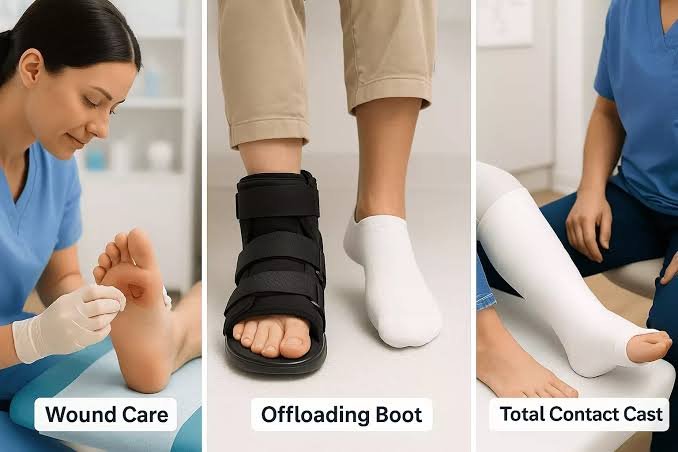
You can treat many minor wounds at home with basic supplies and consistent care, including small cuts, shallow scrapes, and minor first-degree burns. Other wounds may need evaluation by a wound care specialist, from deep cuts and animal bites to large burns and slow-healing wounds. People with diabetes, poor circulation, or a weakened immune system often heal more slowly, so they often benefit from specialized care even for smaller injuries. Here are some tips for wound care at home and when you may need to contact a specialist:
Clean Your Wound Regularly
Cleaning a wound removes dirt, debris, and bacteria from the injured area. Before you touch the wound, wash your hands with soap and warm water for at least 20 seconds. Rinse the wound under clean, cool running water to flush out visible particles. You can use a mild soap to clean the skin around the wound. Avoid getting soap directly inside the wound because it may cause irritation.
If small particles remain after rinsing, use tweezers cleaned with rubbing alcohol to remove them. Contact a wound care specialist if debris is lodged deeply in the tissue. Many people reach for hydrogen peroxide or iodine when cleaning a wound. These products can irritate surrounding tissue. Clean running water is generally sufficient for minor wounds. After rinsing, gently pat the area dry with a clean cloth or sterile gauze, and repeat this cleaning process each time you change the dressing.
Use Bandages
A bandage protects a wound from friction and bacteria while it heals. Before applying a bandage, you may choose to add a thin layer of petroleum jelly or antibacterial ointment to help keep the wound moist. While not every minor cut needs a bandage, some common bandages for home use include:
- Adhesive Bandages: These work well for small cuts and scrapes on fingers, hands, knees, and other areas.
- Sterile Gauze Pads: These cover larger scrapes or minor burns. Secure them with medical tape or a rolled gauze wrap.
- Butterfly Closures: These thin adhesive strips hold the edges of a small, straight cut together.
- Non-stick Pads: These pads are less likely to adhere to the wound bed, which makes removal more comfortable.
Very small cuts or shallow scratches in areas without exposure to dirt or friction may heal well when left uncovered. Air exposure keeps the wound surface dry, and a protective scab may form over the area. Cover a wound if it is likely to rub against clothing, shoes, or other surfaces.
Check for Signs of Infection
Each time you redress the wound, look closely at the wound and the surrounding skin. Pay close attention to your pain level. Some tenderness is common in the first few days after an injury, but increasing pain may indicate a problem. If you develop a fever or you notice red streaks extending from a wound, contact a medical professional immediately. A fever may signal that an infection has spread beyond the wound site. Some signs of a possible infection to watch out for include:
- Swelling That Spreads Beyond the Wound’s Edges
- Redness That Grows Larger or Darkens
- Oozing of Yellow or Cloudy fluid
- Warmth Around the Injury
- Developing An Unpleasant Odor
Look Into Specialized Wound Care
Some wounds need more than home care, so contact a wound care specialist if a wound shows no improvement after two weeks. A specialist can also assess wounds that reopen, continue to bleed after you apply firm pressure, or keep showing signs of infection after treatment. Wound specialists examine the underlying factors that can slow healing, such as circulation problems or diabetes. Based on their assessment, they may recommend advanced dressings, debridement, compression therapy, or other treatments suited to your needs. They can also explain how to care for the wound between appointments.