
How Urgent Care Centers Support Postnatal Women
October 1, 2026
Tips for Effective Wound Care at Home
October 1, 2026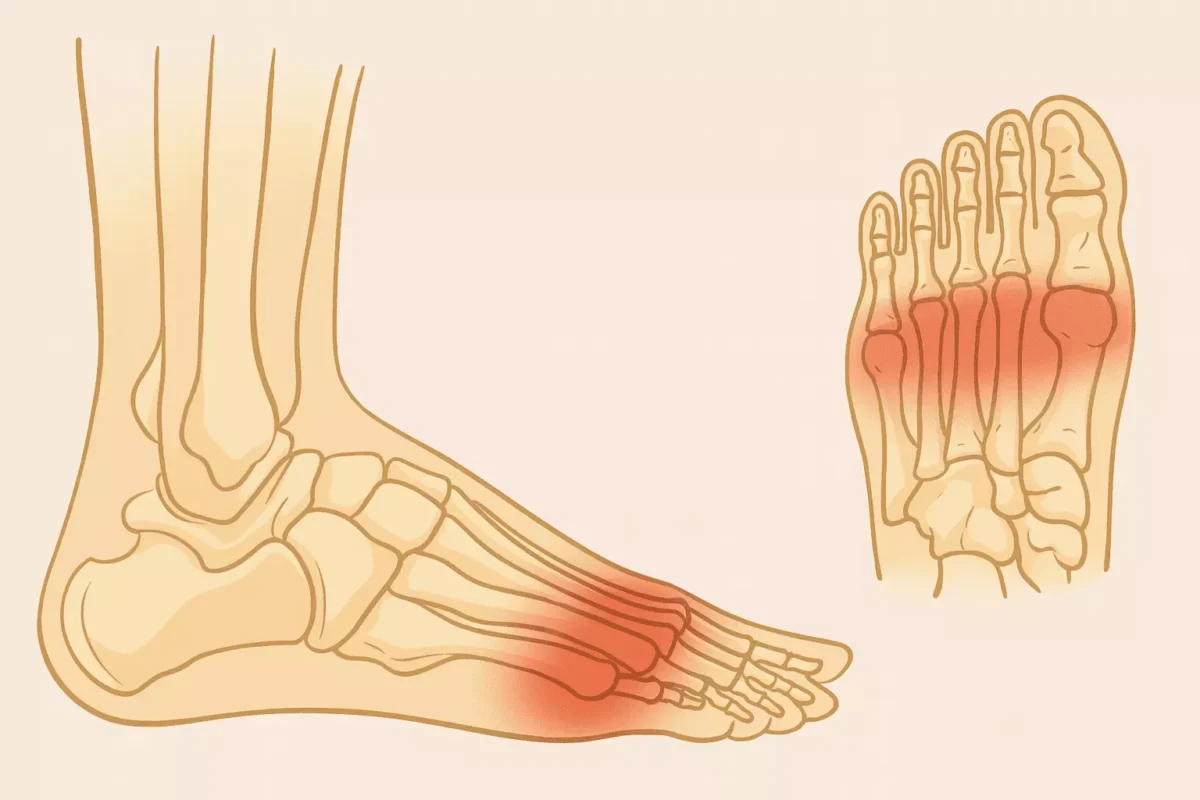
A bunion starts as a minor issue, but it can progress into a source of persistent pain and mobility issues over time. Recognizing the signs matters. When a bunion goes beyond home care, professional treatment can prevent further joint damage and preserve daily function. Here is more information on what bunions are, what causes them, and the signs that indicate it’s time to see a podiatrist:
What Is a Bunion?
A bunion, medically known as hallux valgus, is a bony bump that forms at the base of the big toe joint. When the big toe pushes against the neighboring toe, the joint at its base is forced outward. The surrounding skin may appear red or swollen, and stiffness in the toe has the potential to develop over time. Bunions vary widely in size and severity, and while some remain small for years, others grow progressively larger.
What Causes It?
This condition develops from several contributing factors. Common causes include:
- Genetics and foot structure: Inherited foot shapes, such as flat feet, low arches, or loose joints, increase the likelihood of bunion development.
- Footwear choices: Shoes with narrow toe boxes or high heels compress the toes and shift pressure onto the big toe joint, accelerating bunion formation.
- Repetitive stress: Certain occupations or high-impact activities, such as ballet or running, place sustained strain on the big toe joint over time.
A bunion’s progression typically depends on a combination of an individual’s structural predisposition and the external pressures on the foot.
What Signs Require Professional Treatment?
Mild cases may respond well to simple adjustments. Switching to wider shoes or using padding helps ease discomfort, but certain symptoms signal that a podiatrist’s evaluation is needed. Persistent pain that interferes with walking, standing, or daily tasks is a key sign, particularly when over-the-counter remedies fail to provide relief.
Swelling and redness around the joint may not subside, and noticeable stiffness or restricted toe movement also warrants a professional opinion. Some patients develop calluses or corns from the toes rubbing against each other. These changes can indicate worsening misalignment, which requires clinical intervention to prevent further structural deterioration. Do not ignore a bunion that continues to grow or begins affecting the alignment of adjacent toes.
What Does Treatment Involve?
Once a provider evaluates the condition’s severity and the discomfort it causes, they will determine which treatment options are appropriate. Over-the-counter anti-inflammatory drugs help manage swelling and discomfort during flare-ups, and orthotic inserts redistribute pressure across the foot while correcting biomechanical imbalances that contribute to bunion progression. Orthotics are non-invasive.
When conservative treatments are not effective, podiatrists may recommend steroid injections to reduce swelling and pain directly at the joint. Bunion surgery is a viable option; it realigns the bone, ligaments, and tendons to correct the deformity and restore function. Recovery timelines depend on the surgical technique used and the patient’s overall health. Patients may return to normal activities within several weeks.
Consult a Podiatrist Now
Bunions develop gradually, and the signs that require professional attention include persistent pain, visible swelling, restricted movement, or progressive changes in toe alignment. A podiatrist can recommend a treatment plan tailored to the individual, ranging from pain relievers to surgical correction. Addressing bunion symptoms early may improve outcomes and reduce the likelihood of needing more invasive procedures later. If you have a bunion, schedule a consultation with a podiatrist.