
How Telehealth Therapy is Changing the Accessibility of Mental Health Care
November 10, 2026
What Patients Should Know About Eye Exams
November 11, 2026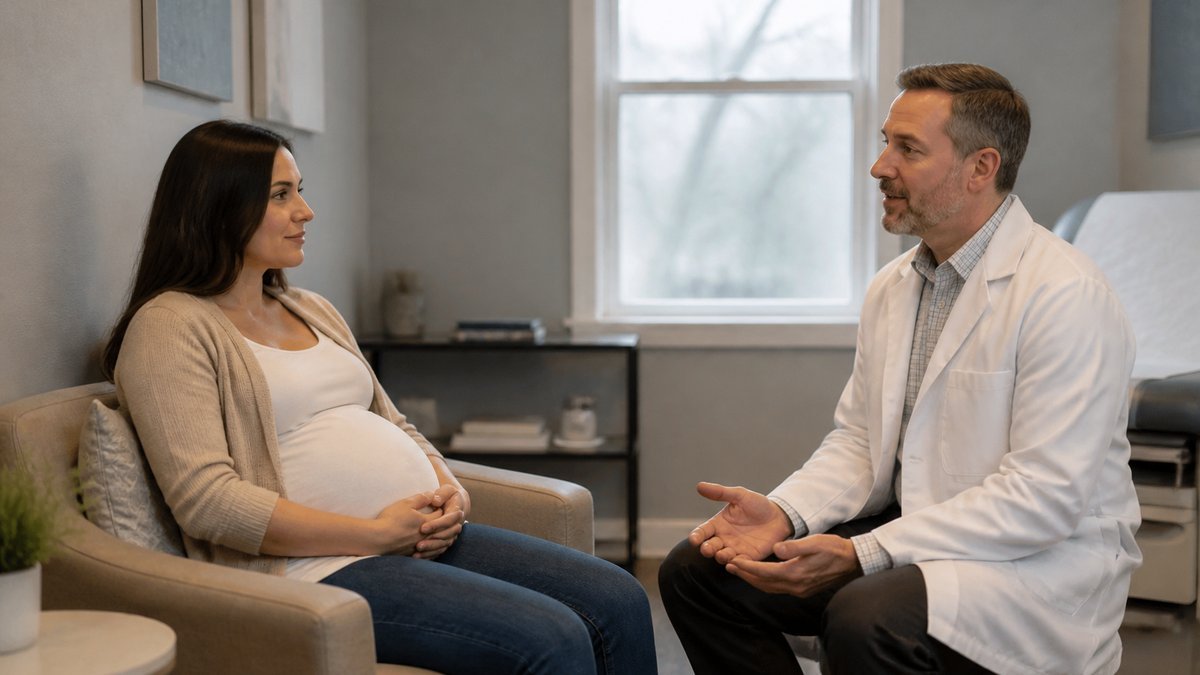
A gynecologist is a doctor who specializes in the female reproductive system, which includes the uterus, ovaries, cervix, and breasts. Regular visits help your doctor monitor your health and maintain a consistent medical history. This ongoing record can become increasingly valuable; it helps identify changes, address concerns, and support overall wellness. Here’s an overview of a gynecologist’s responsibilities and how regular visits promote women’s health:
Understanding Your Gynecologist’s Role
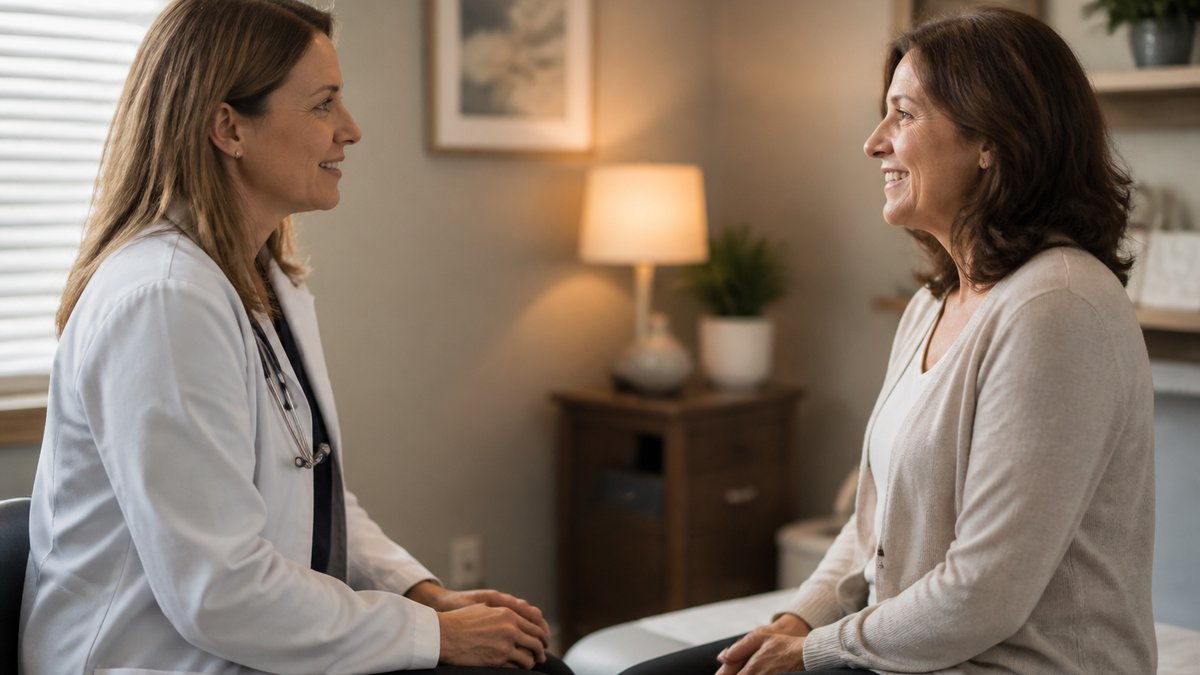
Gynecologists provide care related to reproductive and sexual health across all stages of life. Some also practice obstetrics, which covers pregnancy and childbirth; doctors who do both are called OB-GYNs. Because your gynecologist tracks your history over multiple visits, they build a detailed picture of your health that a single appointment alone would not capture.
A gynecologist’s work covers routine exams, screenings, and conversations about contraception and menstrual cycles. They evaluate symptoms such as irregular periods or pelvic pain, and they address hormonal changes. These professionals can also refer patients to other specialists when needed. This continuity of care is a key part of what makes regular visits worthwhile.
Navigating a Routine Appointment
Routine gynecology visits, sometimes called well-woman exams, start with a health history review. A nurse or medical assistant checks key measurements like blood pressure and weight, and your doctor asks about your menstrual cycle, sexual activity, medications, and family history. The physical portion may include a breast exam and a pelvic exam, though not every visit requires both. Your doctor decides which components to include based on your age, history, and current guidelines. Each visit also gives you dedicated time to ask questions about birth control, cycle changes, or menopause.
Screenings are a fundamental part of many gynecology visits. Preventive services your doctor may review include:
- Pap test: Checks cervical cells for abnormal or precancerous changes
- HPV test: Screens for human papillomavirus, sometimes paired with a Pap test
- Clinical breast exam: Checks for breast lumps or unusual changes
- Mammogram referral: Uses X-ray imaging to detect breast abnormalities, including signs of cancer
- Vaccinations: Including the HPV vaccine, which helps prevent HPV-related cancers and genital warts
Screening recommendations can change over time, so ask your doctor to outline your personal schedule before you leave each appointment.
Knowing When To Schedule
Professionals typically recommend a first gynecology visit between ages 13 and 15. This initial appointment focuses on conversation and education, and it may not include a pelvic exam. After that, many women schedule a well-woman visit annually, though doctors sometimes suggest a different frequency based on your history. Some situations require an appointment outside your regular schedule. Contact your gynecologist if you notice changes in your menstrual cycle, unusual discharge, pelvic pain, or a breast lump. Schedule a visit if you plan to become pregnant or want to discuss contraception. Noticing signs of menopause is another situation where a timely appointment is helpful.
Schedule Your Next Visit
Regular gynecology visits bring together health history reviews, physical exams, screenings, and preventive care. Each appointment adds to a long-term record that supports more informed decisions over time; consistent visits keep that record accurate. Before your appointment, track the start date of your last period and note any changes in your cycle. Bring a full list of medications, vitamins, and supplements to every appointment. Write down your questions in order of priority so you address the most pressing ones first, and check your insurance plan to confirm coverage for preventive visits. If you have not seen a gynecologist in the past year, call a local office today and schedule your well-woman exam.