Why Regular Visits to a Gynecologist Are Key for Women’s Health
November 10, 2026
What To Expect During Your First Visit to a Med Spa
November 12, 2026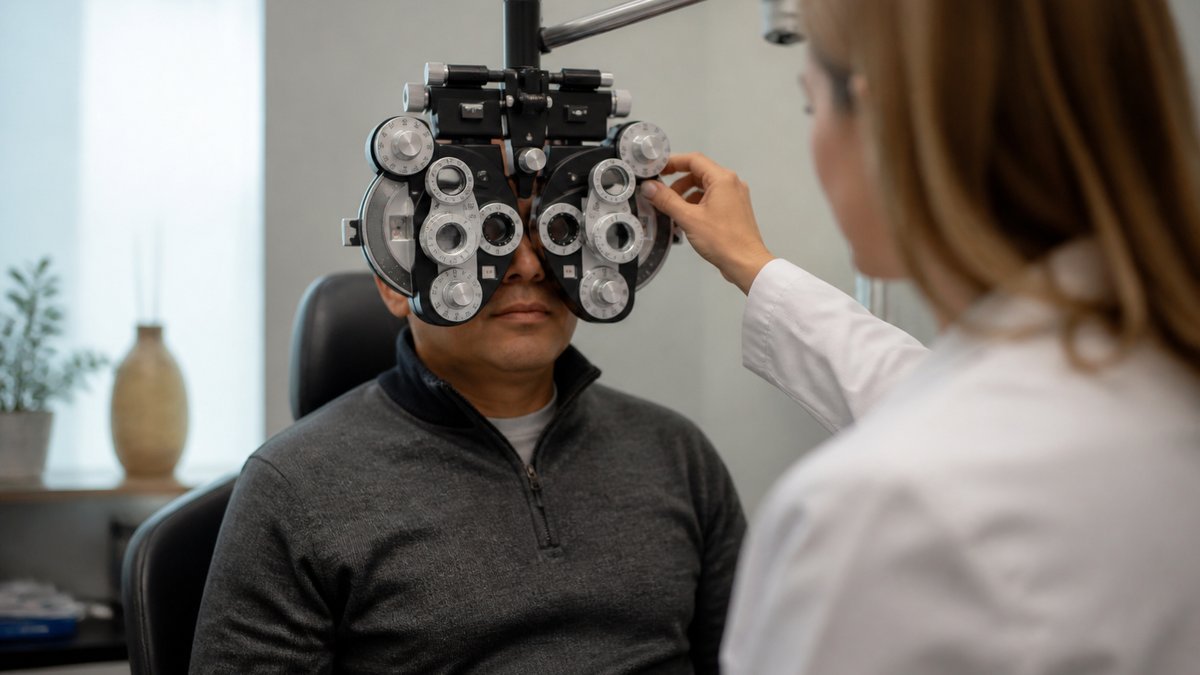
An eye exam checks your vision and the health of your eyes. Many eye conditions develop slowly, and early stages often produce no symptoms. When an eye doctor finds a problem early, treatment is often simpler. Here are some things patients should know about eye exams:
Reviewing Exam Schedules
How often you need an eye exam depends on your age, health, and family history. Adults between 18 and 64 should schedule an exam every one to two years, and adults 65 and older often get one every year. Many children have their first full exam around six months old. If you have diabetes or high blood pressure, your doctor may recommend yearly visits, and some patients need exams even more often. People who wear glasses or contact lenses typically also benefit from yearly checks. Your doctor might suggest a different schedule based on your exam results.
Understanding Eye Tests
A comprehensive eye exam includes several short tests, and each measures a different part of your vision or eye health. Before some tests begin, the doctor may put drops in your eyes to widen your pupils for a few hours. Because dilation makes your eyes sensitive to light, sunglasses help protect your eyes after the appointment. Common tests include:
- Visual acuity test: You read letters on a chart to measure how clearly you see at different distances.
- Refraction test: The doctor uses a series of lenses to find your correct prescription.
- Tonometry: This test measures the pressure inside your eye to screen for glaucoma.
- Dilated eye exam: The doctor examines the retina and optic nerve after drops widen your pupils.
- Visual field test: This test checks your side vision for gaps or blind spots.
- Eye movement and alignment test: The doctor checks how well your eyes move and work together.
Evaluating Treatment Options
After the exam ends, your doctor explains the results. Many patients need only a new prescription for glasses or contact lenses. Some patients choose glasses for daily wear, and others prefer contact lenses for sports or work. If you are interested in laser vision correction, your doctor can check whether you are a candidate for the procedure. Ask about the care needs and expected results of each option before you decide.
Some exams reveal eye diseases that need medical treatment. Glaucoma is often treated with prescription eye drops, and some patients need laser treatment or surgery. When cataracts begin to limit daily tasks, surgery replaces the cloudy lens with a clear artificial lens. Macular degeneration and diabetic eye disease require regular monitoring. Treatment might include injections or laser therapy if the condition progresses.
Schedule an Eye Exam
Regular eye exams help protect your vision and identify potential eye conditions before they cause significant problems. The appropriate exam schedule depends on your age, medical history, and vision needs, so follow your eye doctor’s recommendations for routine visits. Understanding the tests performed during an exam also helps you know what to expect. If your doctor identifies a vision problem or eye disease, discuss the available treatments and follow-up care. Contact an eye doctor today to schedule your next appointment.