Exploring the Various Specialties Within Podiatry
October 5, 2026
Is IVF the Right Choice for Your Family?
October 7, 2026
Gallbladder removal is a common procedure for people with gallstones or gallbladder inflammation. Your liver still produces bile, but it now flows directly into your small intestine. Some people notice digestive changes after surgery, and others do not, though symptoms often improve as the body adjusts.
Digestive Changes After Surgery
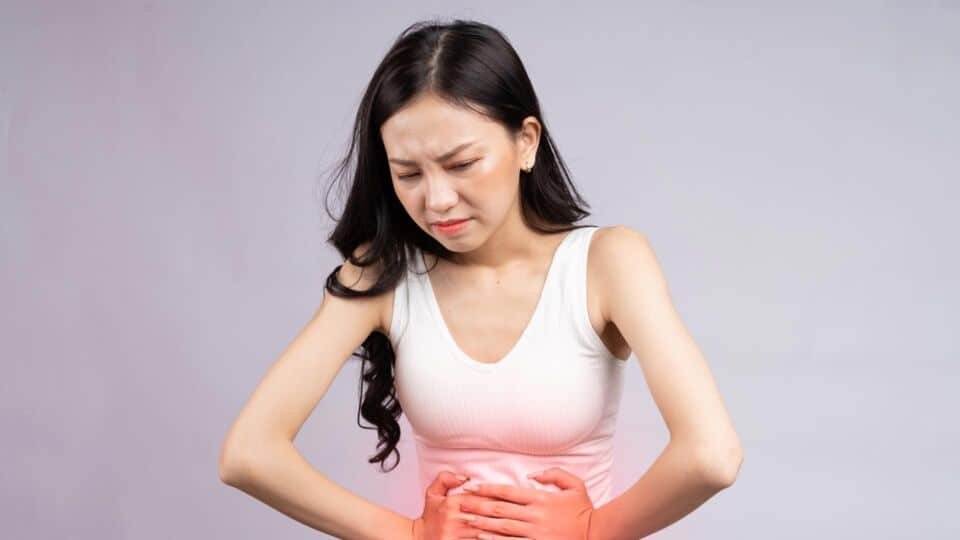
Diarrhea, gas, and bloating are common symptoms after gallbladder removal. Bile now enters your intestine in a steady flow, and extra bile can irritate the bowel. When you eat a high-fat meal, less concentrated bile is available. Digestion may slow. Track your symptoms in a journal, and note what you ate before each episode. This record will help your care team identify patterns. Your bowel needs time to adjust to the new bile flow. Some symptoms require prompt medical attention. Contact your care team the same day if you notice any of the following:
- Fever or severe abdominal pain: These signal an infection or internal complication.
- Jaundice (yellowing of skin or eyes): This may indicate a bile duct blockage and should never be ignored.
- Dark urine or pale stools: Both sometimes point to a blocked duct and need same-day evaluation.
- Pain that worsens after the first week: Pain should improve over time, and a reversal in that trend needs prompt review.
- Diarrhea lasting more than a few weeks: Your surgeon may recommend medications that bind bile to reduce this symptom.
Dietary Adjustments for Recovery
Eat smaller meals throughout the day, and limit fried or greasy foods. Caffeine, dairy, and spicy foods may also trigger symptoms. Your digestive system is adjusting. High-fat foods place extra demand on it. As digestion stabilizes, you can gradually reintroduce moderate amounts of healthy fats. Keep portions small, and monitor how your body responds to each addition. Choose lean sources like chicken, fish, eggs, and legumes. Avoid large portions even when you are well. If you are unsure what to eat, a registered dietitian can provide a plan tailored to your recovery needs.
Physical Recovery Afterwards
Minimally invasive surgery uses small incisions, and robotic surgery uses instruments that your surgeon controls from a console. You may have shoulder pain from the gas used during surgery. It usually fades within a few days. Since your body is directing energy toward healing, rest when you need to. Light activity, such as short walks, can help you recover without overexerting yourself. Avoid returning to work or normal routines too quickly, and follow the timeline your surgeon recommends.
Do not wait until pain becomes severe before addressing it. Pain at the incision sites is normal in the early days after surgery, so discuss what is expected. Your surgeon will likely recommend over-the-counter pain relievers. You should take them as directed. Unmanaged pain sometimes slows recovery. If your pain increases after the first few days instead of improving, contact your care team. That change in pattern may need further evaluation.
Schedule a Gallbladder Removal Consultation
Symptoms after gallbladder removal can often be managed with planning. Knowing what to expect helps you prepare, and a clear plan supports your recovery. If you need gallbladder surgery, your team can review your options, and they will explain minimally invasive and robotic approaches. Bring a list of your current symptoms and medications to your appointment. Schedule a consultation to discuss your surgery and recovery plan.