Is IVF the Right Choice for Your Family?
October 7, 2026
Understanding Hormonal Health through Gynecology
October 8, 2026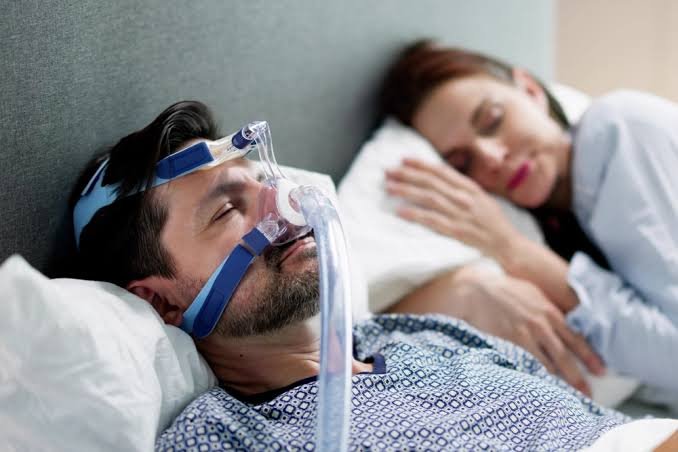
Snoring occurs when airflow becomes partially blocked during sleep, causing airway tissues to vibrate. Occasional snoring is often harmless, but frequent or loud snoring can sometimes be linked to sleep disorders such as obstructive sleep apnea. A snoring doctor can evaluate symptoms and determine whether further testing or treatment is needed. Here is more information on the connection between snoring and sleep disorders:
When Is Snoring a Problem?
Occasional snoring often occurs with a cold, seasonal allergies, or alcohol use, and it generally resolves once the trigger passes. Snoring that happens most nights, becomes louder over time, or appears alongside other symptoms deserves closer attention. Specific patterns help separate routine snoring from snoring that warrants an evaluation from a snoring doctor. Here are some of them:
- Loud and persistent snoring: Snoring occurs most nights and is audible from another room.
- Pauses in breathing: A partner notices periods of silence followed by gasping or choking sounds.
- Frequent waking: You wake several times a night without a clear reason.
- Morning headaches: Headaches appear upon waking and fade as the day goes on.
- Unrefreshing sleep: You feel tired after seven or more hours in bed.
Which Disorders Are Linked To Snoring?
Researchers have connected snoring to several sleep disorders, though snoring alone does not confirm any condition. These disorders involve changes in airflow during sleep, and they differ in severity. A professional evaluation with a snoring doctor is the only reliable way to determine if any applies to you.
Obstructive Sleep Apnea
Obstructive sleep apnea (OSA) occurs when the airway partially or fully closes during sleep. These closures interrupt breathing for brief periods, and the brain responds by briefly rousing the body to restore airflow. Loud snoring is a common sign of OSA.
Upper Airway Resistance Syndrome
Upper airway resistance syndrome (UARS) involves a narrowed airway that makes breathing harder during sleep. Unlike OSA, UARS does not usually cause full pauses in breathing, but it still disrupts normal sleep cycles. People with UARS often report daytime fatigue even when their snoring seems mild. A sleep study helps a specialist distinguish UARS from other conditions.
What Are the Symptoms?
Sleep disorder symptoms often appear both at night and during the day. Nighttime signs include restless sleep, frequent trips to the bathroom, night sweats, and waking with a dry mouth or sore throat. A bed partner usually notices these patterns first, as the sleeping person is often unaware of them.
Daytime symptoms tend to affect focus and energy levels. Some adults feel drowsy while reading, watching television, or driving, and others notice irritability or trouble concentrating at work. When these symptoms persist for several weeks, they provide useful information for a snoring doctor.
How Can a Doctor Help?
A snoring doctor begins with a detailed review of your sleep history, medical history, and current symptoms. The specialist then examines the nose, mouth, and throat for factors such as a deviated septum, enlarged tonsils, or chronic nasal congestion. These findings explain why airflow becomes restricted during sleep.
If the doctor suspects a sleep disorder, they may recommend a sleep study. This test records breathing patterns, oxygen levels, and heart rate overnight, and some versions can be done at home. The results give the specialist objective data, which supports a more accurate assessment. After the evaluation, the snoring doctor discusses treatment options based on the identified cause.
Consult a Snoring Doctor Today
Identifying the cause of snoring is the first step toward effective treatment. An evaluation with a snoring doctor provides objective data and a clear picture of the underlying issue. Treatment options tailored to your condition may include lifestyle adjustments, nasal therapies, oral devices, continuous positive airway pressure (CPAP) machines, or surgical solutions. Contact a qualified snoring doctor near you to schedule your consultation today.