
Why Does Chronic Pain Develop?
October 5, 2026
Understanding the Stages of Ankle Sprain Recovery
October 5, 2026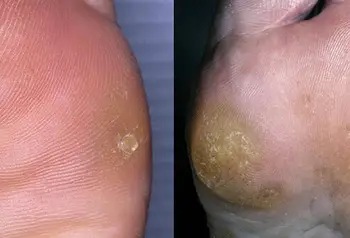
Foot fungus is a skin infection caused by fungi called dermatophytes, and these organisms grow in warm, damp places and spread easily in locker rooms, pools, and shared showers. While many people link fungus only to the feet, the same organisms cause rashes on the groin, body, and nails. Knowing the type of infection helps you choose the right treatment. Here are the different types of foot fungus and how they are treated:
Athlete’s Foot
When foot fungus grows between the toes, doctors call the infection athlete’s foot, or tinea pedis. It often causes itching, burning, and cracked or peeling skin. The rash usually starts between the toes, and it sometimes spreads to the soles. Most mild cases improve with these home treatment steps:
- Apply an antifungal cream with multiple active ingredients.
- Keep using it for several weeks, even after the rash clears.
- Dry your feet fully, especially between the toes.
- Change socks daily and wear breathable shoes.
Jock Itch
Jock itch can spread to the groin and inner thighs, and it typically forms a red, ring-shaped rash. Since the same fungi cause athlete’s foot, the infection spreads from the feet to the groin. Athletes and people who sweat heavily get it most often. Towels and underwear carry the fungus between body areas.
Symptoms include itching, burning, and scaly skin with a raised edge. The rash typically spares the scrotum, which helps doctors tell it apart from other skin conditions. Sweat makes the itching worse, and tight clothing traps moisture against the skin.
If you have jock itch, an over-the-counter antifungal cream often clears it in two to four weeks. Treat any athlete’s foot at the same time, or the fungus may return to the groin. Loose cotton underwear helps keep the area dry. Put on your socks before your underwear to keep fungus off the groin.
Ringworm
Despite its name, ringworm comes from a fungus, not a worm. It appears as a circular, scaly patch with clearer skin in the center, and it may itch. Ringworm spreads through skin contact, pets, and shared items because the fungus survives on surfaces. Doctors use the term “tinea” for this whole family of infections, including those on the feet.
While small patches respond to antifungal creams, larger or scalp infections need prescription pills. A provider may prescribe medications for several weeks. Wash your bedding and towels in hot water, and have a vet check pets with patchy hair loss. Avoid sharing combs, hats, and athletic gear during treatment.
Toenail Fungus
Toenail fungus, or onychomycosis, causes thick, yellow, or brittle nails, and it often starts at the nail tip. Since nails grow slowly, treatment takes several months to show results. Creams rarely reach the fungus under the nail. A provider may recommend one of these options:
- Oral antifungal pills
- Trimming and thinning of the nail in the office
Get Treated for Foot Fungus
Fungal skin infections often return without full treatment. If home care fails after two weeks, a provider can check a skin scraping to confirm the cause. Diabetes and a weak immune system raise the risk of complications, so seek care sooner if either applies to you. Walk in to our urgent care center today, or book a visit online.