Strategies for Promoting Optimal Digestive Health
October 13, 2026
How to Choose the Right Footwear for Plantar Fasciitis Relief
October 13, 2026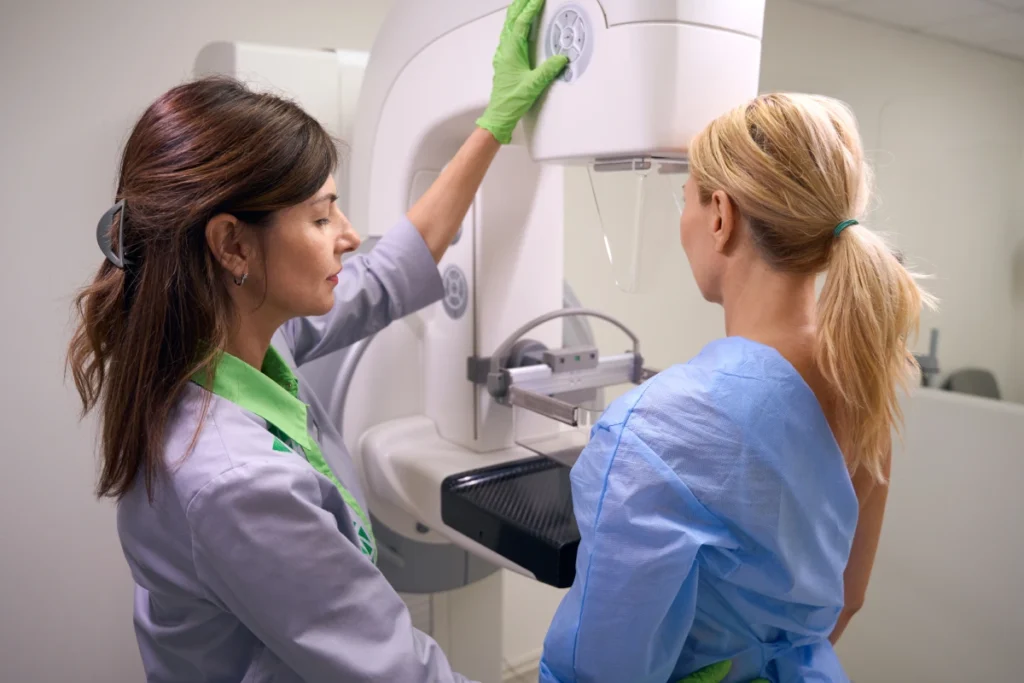
Mammograms help detect breast cancer before symptoms appear. When cancer is identified earlier, it may be smaller, more contained, and more responsive to treatment. Early detection expands treatment options, and it allows clinicians to intervene when outcomes are generally more favorable. Here is more information on what a mammogram is, how the procedure functions, and the benefits of early detection:
What Is a Mammogram?
A mammogram is a low-dose X-ray image of breast tissue used to screen for abnormalities. Radiologists examine these images for signs of cancer, such as masses, calcifications, or changes in tissue density, because early detection depends on identifying these subtle features. Two main types exist, and each serves a distinct purpose. Screening mammograms are performed regularly on asymptomatic patients, while diagnostic mammograms are used when a concern already exists.
Screening mammograms are typically recommended yearly beginning at age 40. The frequency depends on age and personal risk factors. Patients with a family history of breast cancer or certain genetic markers may be advised to start screening earlier, and they sometimes require additional imaging. Since each patient’s circumstances differ, a primary care provider can help determine the right schedule based on individual health history.
How Does It Work?
When a mammogram is conducted, a technologist positions the breast between two plates that briefly compress the tissue. This compression spreads the tissue and produces a clearer image with less radiation exposure. The process typically takes about 15 to 20 minutes, and patients may describe the compression as uncomfortable rather than painful.
What Is Early Cancer Detection?
Early cancer detection refers to identifying cancer cells before they cause noticeable symptoms or spread beyond their original location. Early-stage detection is characterized by the following features:
- Tumors are smaller and confined to the breast tissue
- Cancer cells have not spread to lymph nodes or distant organs
- Treatment options are generally less complex
- Survival rates may be higher
By the time a lump becomes palpable, the tumor may have grown large enough to complicate treatment. Clinicians therefore recommend screening before symptoms develop, as early identification helps improve treatment outcomes.
How Are They Connected?
Mammograms serve as the primary tool for early cancer detection. This imaging method can identify tumors before they are large enough to feel, and it shifts the diagnosis timeline in the patient’s favor. Early detection may help reduce breast cancer mortality rates, as more cancers are being identified at earlier, more treatable stages.
Patients diagnosed at Stage 1 have access to a wider range of treatment options; these options may include less invasive surgical procedures. Treatment timelines are generally shorter at this stage. Patients diagnosed at later stages may require more extensive interventions, which affect daily life. Consistent screening helps identify cancer while it remains small and localized.
Schedule an Appointment Now
Mammograms are a reliable method for catching breast cancer early, and outcomes may improve with consistent screening. Understanding how the screening works and why timing matters helps patients make informed decisions about their health. If you haven’t scheduled a mammogram within the recommended timeframe, contact your primary care provider to schedule one.