Talking About Delivery Concerns With Your OBGYN
October 8, 2026
Understanding the Role of a Foot and Ankle Surgeon in Sports Medicine
October 13, 2026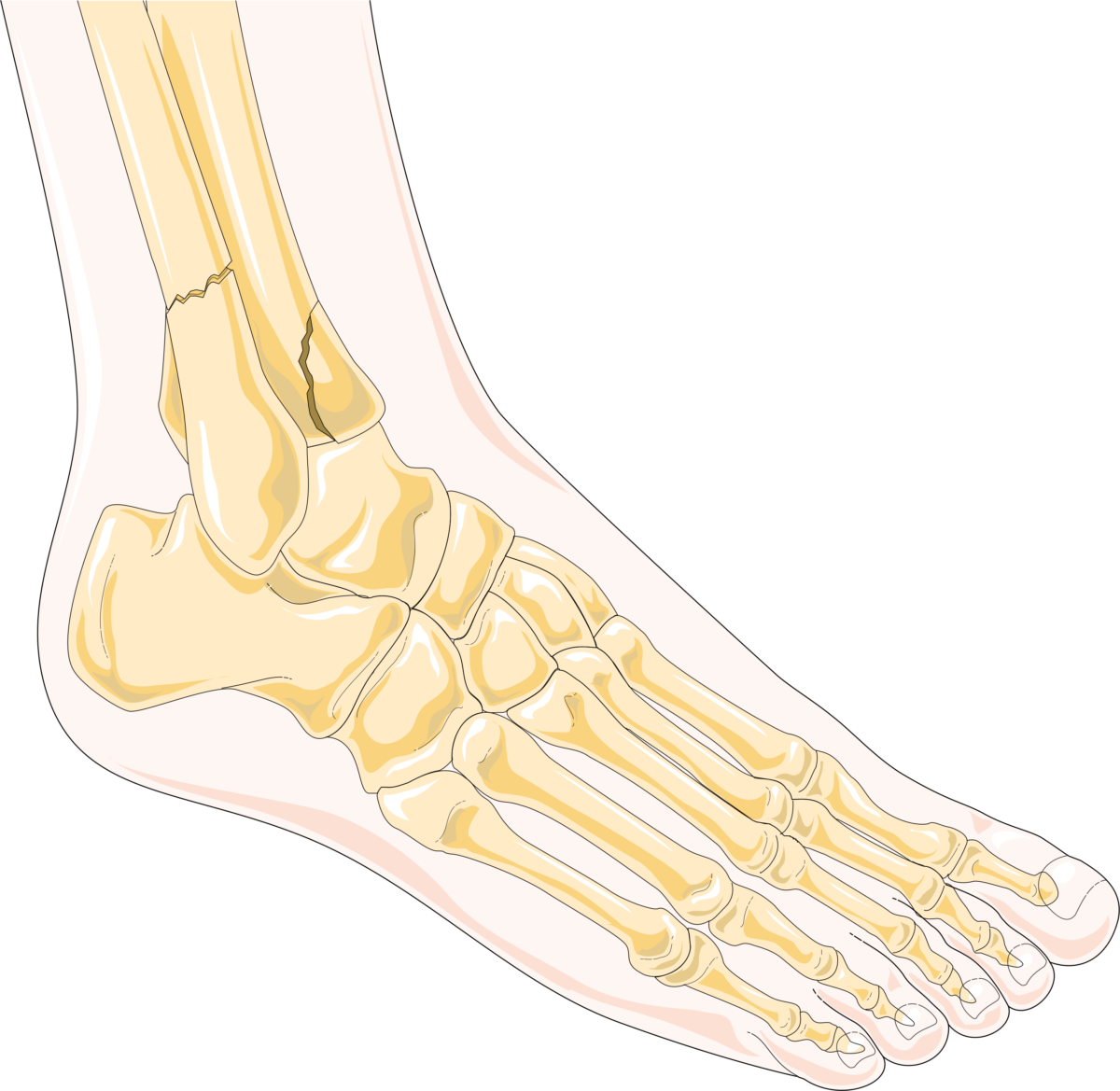
When a twist, fall, or impact breaks one of these bones, doctors call it an ankle fracture. Some fractures affect a single bone, but others involve several breaks and damage to nearby ligaments. Here is more information on four major types of fractures and their typical signs:
Lateral Malleolus Fracture
The lateral malleolus is the bony bump on the outer side of your ankle. It forms the lower end of the fibula, which is the thinner bone in your lower leg. This spot breaks more often than other ankle areas, and inward foot rolls cause many of these injuries.
You may notice swelling on the outer ankle, and the area often feels tender to the touch. Many people still walk on the foot, which leads some to mistake the ankle fracture for a sprain. An X-ray confirms the diagnosis.
If the bone stays in place, a provider may treat it with a walking boot or cast. Healing typically takes several weeks, but recovery time varies from person to person. Breaks with shifted bone pieces sometimes need surgery with plates or screws.
Bimalleolar Fracture:
A bimalleolar fracture involves two breaks in the ankle. One break affects the lateral malleolus, and the other affects the medial malleolus on the inner ankle. Since two sides of the joint break, the ankle typically loses its stability. Typical signs include:
- Swelling on both sides of the ankle
- Bruising that spreads toward the foot
- Having trouble putting any weight on the leg
- Noticing a visible change in ankle shape
Since this injury makes the joint unstable, many patients need surgery to line up the bones. A cast or boot follows the procedure. Recovery lasts several months, and physical therapy typically forms part of the process.
Trimalleolar Fracture
A trimalleolar fracture adds a third break, and this one sits at the back of the tibia. Doctors call this area the posterior malleolus because it forms the rear edge of the joint, and this injury ranks among the more severe ankle fractures. Ankle dislocations typically happen alongside this fracture. When the joint shifts out of place, providers realign it quickly to protect nerves and blood vessels. Most cases need surgery, and recovery may take several months.
Pilon Fracture
A pilon fracture affects the bottom of the tibia where it meets the ankle joint. High-energy events like car crashes or falls from a height cause most pilon fractures. The impact drives the talus upward into the tibia, and the force often shatters the bone into several pieces. Signs of a pilon fracture may include:
- Pain and rapid swelling
- Inability to bear weight
- Blisters or skin damage near the ankle
- Numbness in the foot
Treatment typically happens in stages. Surgeons may first place an external frame to steady the bones, and they wait for swelling to drop. Once the skin heals, they repair the bone with plates and screws. Full recovery may take a year or more.
Get Ankle Fracture Care Today
Ankle fractures range from a single crack to multiple breaks, and the symptoms overlap with sprains, so an X-ray gives a clear answer. Since the types differ, treatment ranges from a simple boot to surgery with metal hardware. If you have ankle pain, swelling, or trouble walking after an injury, visit a foot and ankle center for an exam. Podiatry clinics offer on-site X-rays, splints, and specialist referrals.