Understanding Hormonal Health through Gynecology
October 8, 2026
Talking About Delivery Concerns With Your OBGYN
October 8, 2026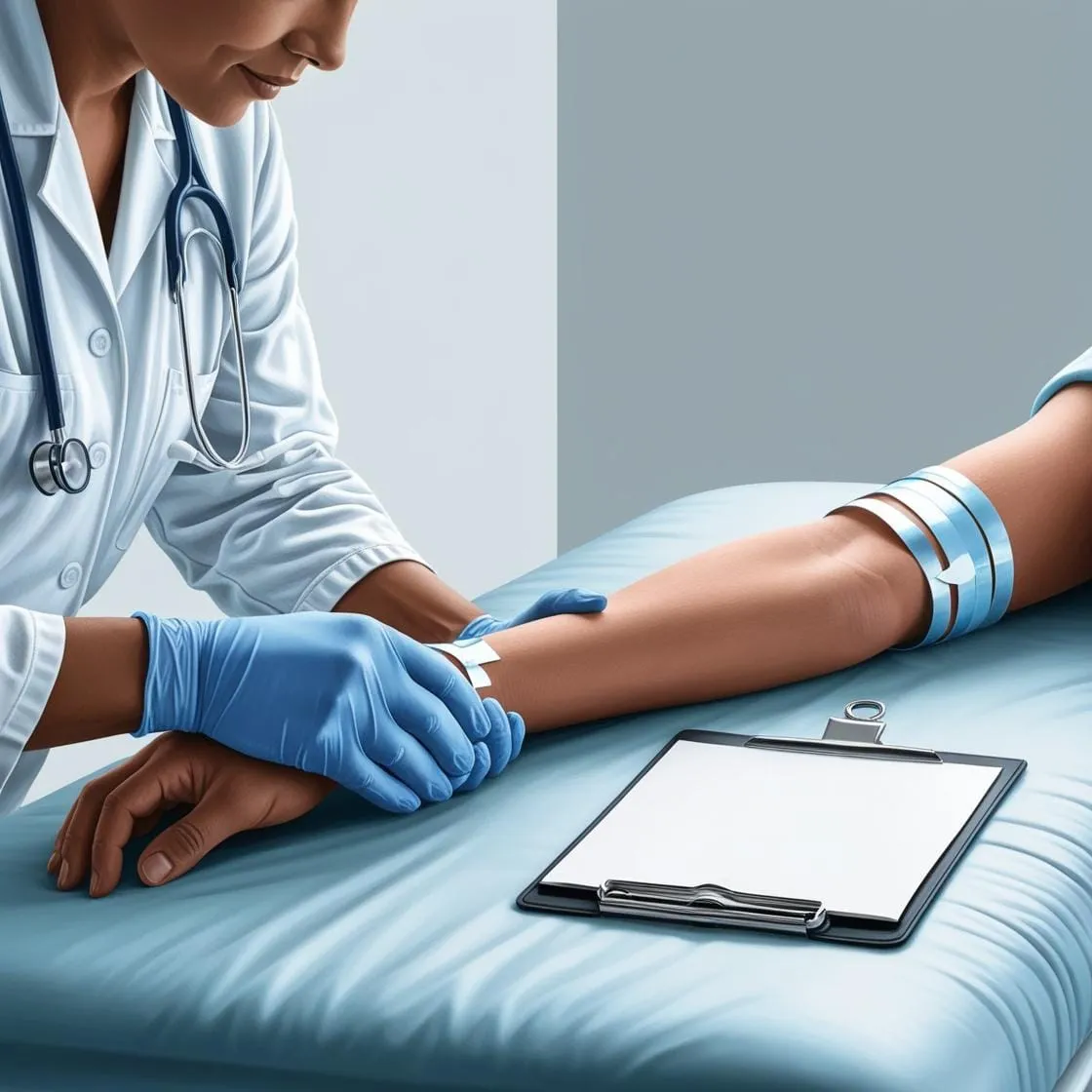
Vein care focuses on the vascular health of your legs and other parts of the body, and a specialist evaluates these problems and builds a treatment plan for each patient. Veins carry blood back to the heart, and small valves inside them keep blood moving in one direction. When these valves weaken, blood may pool and cause swelling, aching, or visible veins. Here is more information on the role of a vein care specialist:
Diagnosing Vein Conditions
Vein conditions range from spider veins to chronic venous insufficiency, and each one needs a different approach. Before a vein care specialist suggests any treatment, they identify the exact problem. This first step shapes every later decision. Typical diagnoses include varicose veins, spider veins, and deep vein thrombosis.
When you arrive for your first visit, the specialist reviews your medical history and current symptoms. They ask about leg pain, cramping, heaviness, and skin changes. Family history matters too, so they also ask about vein problems in your relatives. These details point toward a likely cause.
Next, the specialist performs a physical exam of your legs. They may ask you to stand because gravity makes vein problems easier to see. The exam offers useful clues, but it cannot reveal blood flow beneath the skin. For that, specialists turn to imaging.
Assessing Risks
Every vein treatment carries some degree of risk, and some health factors raise the chance of blood clots, while others may slow healing. If you take blood thinners, tell your specialist before any procedure, and they may adjust the timing or choose a different option. Some patients need extra tests, and others need clearance from their primary doctor. Before a specialist recommends a procedure, they review factors such as these:
- Past blood clots or clotting disorders
- Current medications, especially blood thinners
- Recent childbirth or pregnancy
- Chronic diabetes, heart disease, or poor circulation in the arteries
- Current smoking habits and body weight
Using Ultrasound
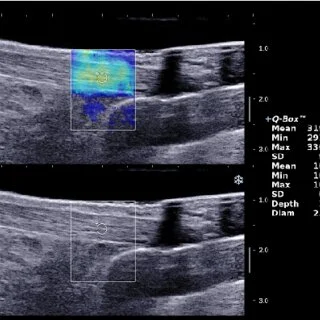
Since many vein problems start below the surface, specialists rely on duplex ultrasound. This test uses sound waves to create images, and it also measures the speed and direction of blood flow. The scan involves no needles or radiation. It takes place in the clinic or a nearby imaging center. A technician applies gel to your skin, and then they move a handheld probe along your leg. If a valve leaks, the image shows blood flowing backward.
Recommending Treatments and Procedures
As each patient differs, specialists build plans around test results and risk factors. Many plans start with conservative care, and insurers may require this step before a procedure. Conservative care typically includes these steps:
- Wearing compression stockings daily
- Elevating your legs during rest
- Walking or exercising on a regular schedule
- Managing your weight
Some patients move on to minimally invasive procedures. When a large vein leaks, endovenous ablation uses heat to seal it shut. Sclerotherapy treats smaller veins with an injected solution, and ambulatory phlebectomy removes surface veins through tiny incisions. Your specialist explains how each option works and what recovery involves.
Find Vein Care Near You
Many clinics offer vein evaluations, and some accept referrals from primary care doctors. Look for board certification in vascular surgery or venous medicine. Book an appointment at a clinic near you. When you call, ask about ultrasound testing, insurance coverage, and available procedures.