
Choosing the Right Primary Care Physician for Your Health Journey
November 12, 2026
What Areas on the Body Can Laser Hair Removal Be Used On?
November 12, 2026
A herniated disc causes discomfort and affects how you move around, so treatment focuses on both pain relief and function. Many people start with non-surgical options such as exercise, physical therapy, and medication, and some move to procedures if symptoms persist. A structured plan helps you track which activities trigger symptoms, which positions feel stable, and which strategies lower strain on your spine.
Forming in the Lower Spine
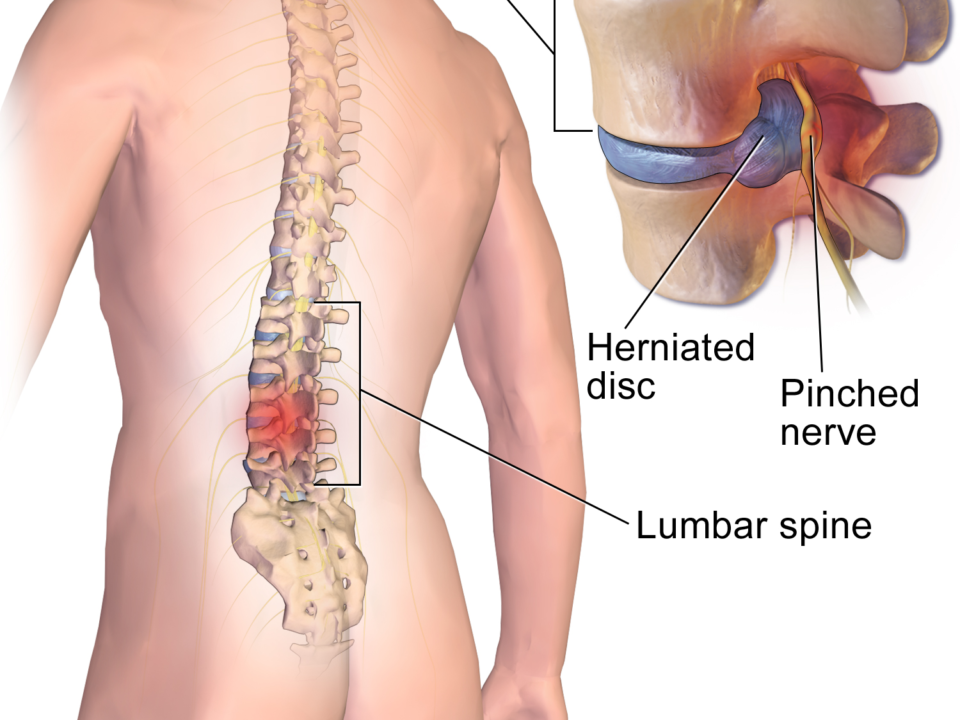
A herniated disc can develop in the lower spine, where the lumbar vertebrae support bending, lifting, and twisting through the day. This area carries a large share of body weight, and repeated load over time can weaken the disc wall. Daily routines, such as long commutes, desk work, or jobs with frequent lifting, place repeated demand on this region. This involves:
- Long periods of sitting place sustained pressure on lumbar discs, especially when posture slumps.
- Repetitive lifting or twisting at work stresses the same spinal segments again and again.
- Limited core strength reduces support for the lower spine during movement.
- Previous back injuries change movement patterns and load nearby joints and discs.
Bulging Soft Cushion
A spinal disc sits between each pair of vertebrae, and it acts like a soft cushion that absorbs daily stress. When part of the inner material pushes through the outer layer, the disc bulges into nearby spaces. It typically involves both mechanical pressure and irritation of nearby tissue.
Compressing Nerves
When disc material moves out of place, it can press on nearby nerve roots that exit the spinal canal. The nerve has limited space, and a small shift in disc position sometimes changes how signals travel along that pathway. This pressure can lead to pain, tingling, or weakness that follows the course of the affected nerve into the leg or foot.
Some people notice symptoms only with certain movements, while others feel them even at rest. A herniated disc in the lumbar spine typically affects one side more than the other, and the pattern of symptoms helps guide diagnosis. A spine specialist evaluates strength, reflexes, and sensation. They may order imaging to see the level and direction of the herniation.
Daily management focuses on reducing irritation around the nerve, and this supports better mechanics through the spine. Short walking breaks, neutral spine posture, and controlled bending techniques lower repeated compression during routine tasks. Exercises aim to support hip mobility and core strength, because better movement in those areas reduces strain.
Causing Significant Pain
Pain ranges from a steady ache in the lower back to sharp, shooting sensations down the leg. You may notice that symptoms increase when you sit on soft couches, stand in one place for long periods, or lift from the floor. Tracking which activities raise or lower discomfort helps guide changes at work and at home.
When symptoms interfere with daily life, many patients speak with a spine specialist about next steps. Treatment typically progresses from self-care and physical therapy to more targeted interventions if symptoms persist. A structured plan also leaves room to adjust pace, because response to treatment varies between individuals.
Get Herniated Disc Treatment
Living with disc symptoms involves a mix of medical care, exercise, and posture changes tailored to your routine. People sometimes look for local specialists who focus on spinal conditions and understand work demands in the area. Seek an evaluation when back or neck pain starts to limit your daily activities, and a detailed assessment helps shape a realistic plan for your health.