
How To Choose an OBGYN That Fits Your Needs
November 5, 2026
Why Consulting a Liver Specialist is Key for Your Health
November 6, 2026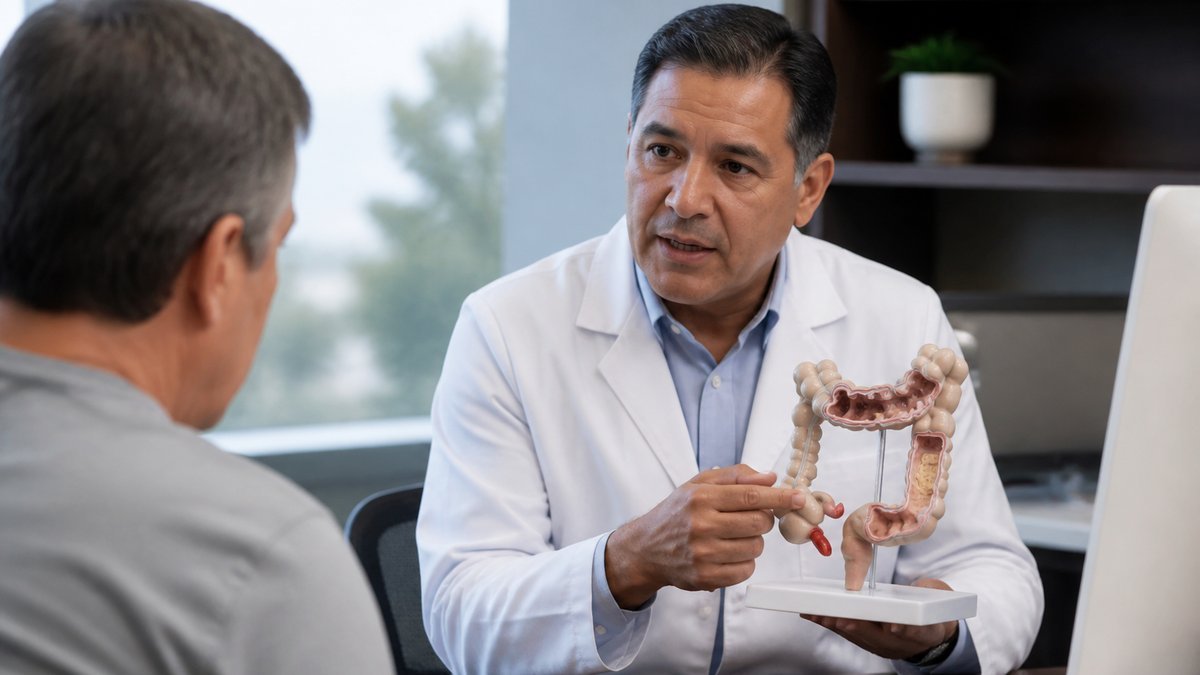
Colon cancer screening looks for cancer, and it helps detect precancerous growths in the colon and rectum. Most adults at average risk start screening at age 45, and it becomes more of a risk after age 50. Since several test types exist, you and your doctor will pick one that fits your health history. Here is more information on each option and what to expect:
Colonoscopy Screening
A colonoscopy examines the full length of your colon and rectum. The doctor uses a thin, flexible tube with a camera while you lie on your side under sedation. This colon cancer screening procedure is typically straightforward, and most people remember little of it.
Preparation starts the day before, and it takes the most effort. You will drink a prescribed laxative solution to clear your bowel. Most clinics ask you to follow a clear liquid diet until the instructions tell you to stop. Follow your clinic’s written steps closely, since leftover stool may lead to a repeat exam.
Since sedation affects your reflexes, you will need an adult to drive you home. You may feel bloated or gassy for a few hours, but these effects typically pass quickly. If your exam shows no polyps or cancer, you will likely return several years later.
Sigmoidoscopy Test
While a colonoscopy views the entire colon, a flexible sigmoidoscopy examines only the rectum and lower colon. The prep typically involves one or two enemas before the exam. Many patients stay awake, and the exam duration is short. If the doctor finds a polyp, you will likely need a full colonoscopy afterward. This test does not reach growths in the upper colon.
Stool Tests
Stool tests check a sample for blood or abnormal DNA, and you collect the sample at home. Since you skip bowel prep and sedation, these tests typically take little time out of your day. Your clinic mails the kit or hands it to you at a visit. Here’s what to expect when you take a stool test at home:
- Get your kit. Your clinic will mail it to you or give it to you at a visit.
- Collect your sample. Follow the directions in the kit. You don’t need bowel prep or sedation.
- Return the sample. Mail it in or drop it off as directed, and the lab will check it for blood or abnormal DNA.
- Wait for your results. Your clinic will contact you, and your doctor will explain any next steps.
If a stool test comes back positive, your doctor will order a colonoscopy as the next step. A positive result does not confirm cancer. Hemorrhoids and other conditions also cause bleeding, so the follow-up exam looks for the source.
Polyp Removal
A polyp is a small growth on the inner lining of the colon. Doctors remove most polyps during a colonoscopy, and the process adds only a few minutes. They use a wire loop or small forceps that cut the polyp at its base.
Once the doctor removes a polyp, a lab examines the tissue under a microscope. Results typically arrive within weeks. Some polyps contain precancerous cells, so your doctor may shorten the time until your next exam.
Book a Colon Cancer Screening
Start by talking with your primary care provider, and bring your family medical history to the visit. A parent or sibling with colon cancer may change your starting age. If you notice rectal bleeding or ongoing bowel changes, mention them, since symptoms call for diagnostic testing instead of screening.