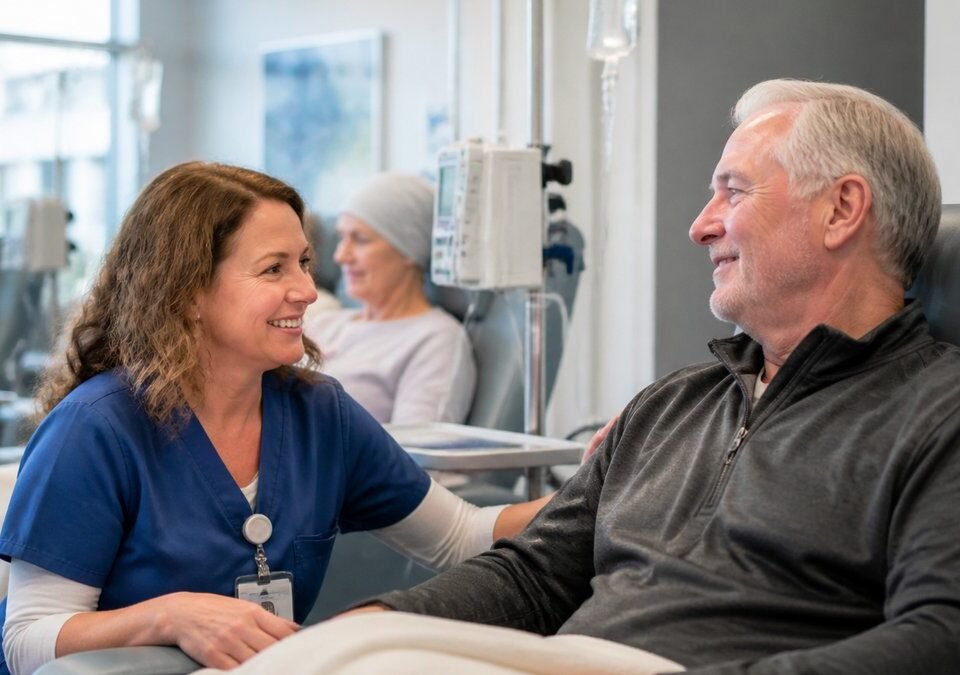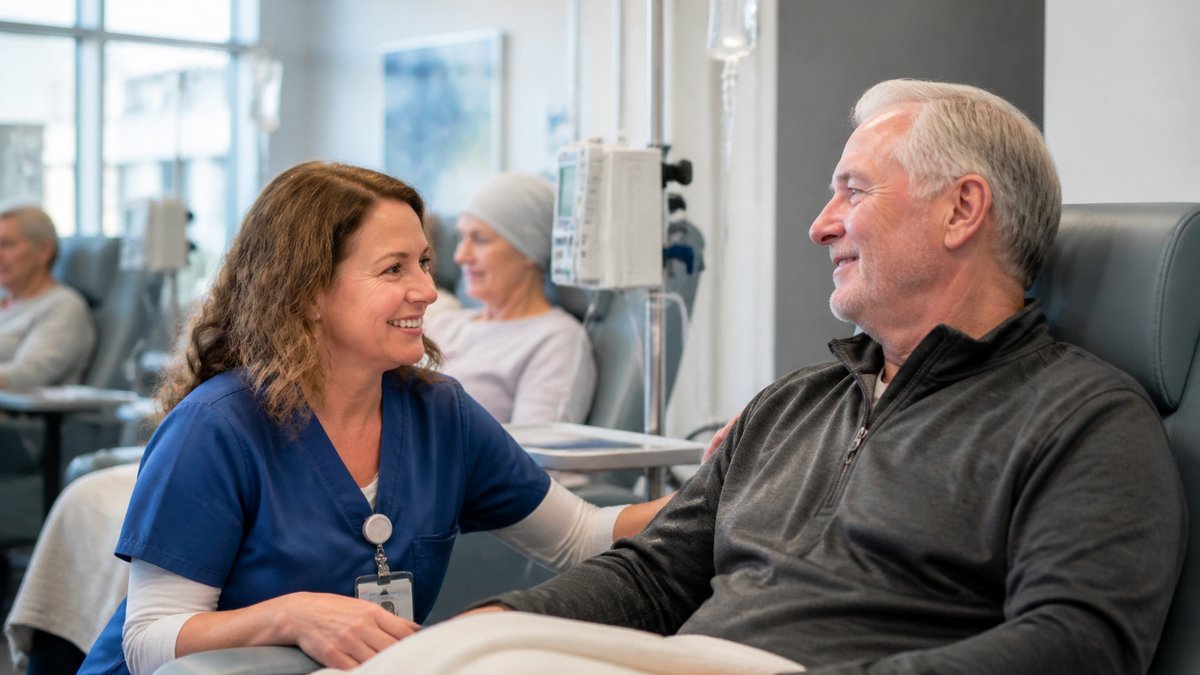

How Semaglutide Supports Long-term Weight Loss
November 3, 2026
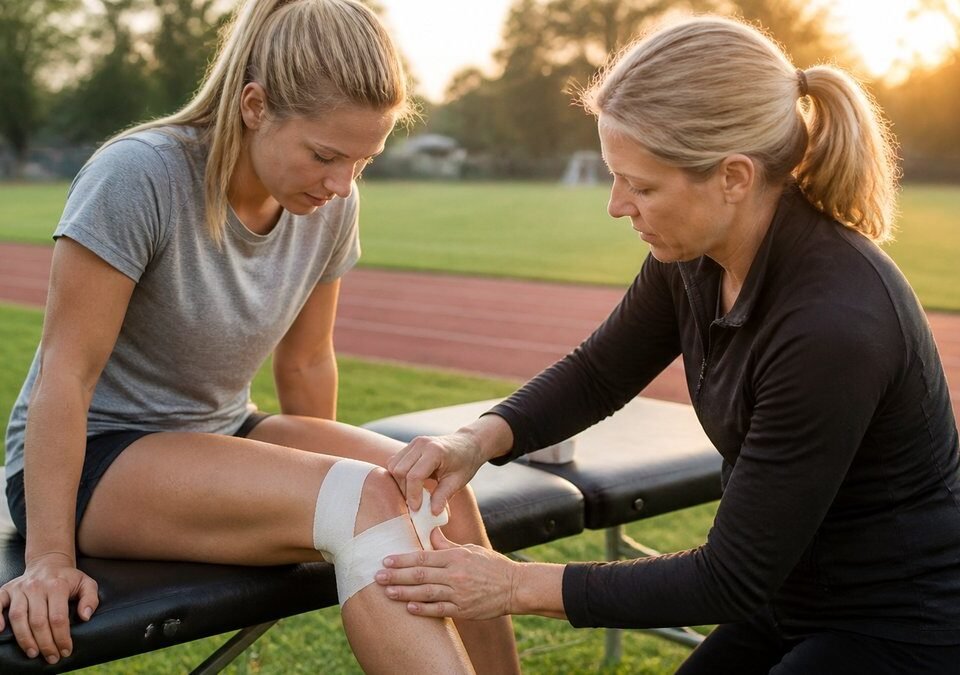
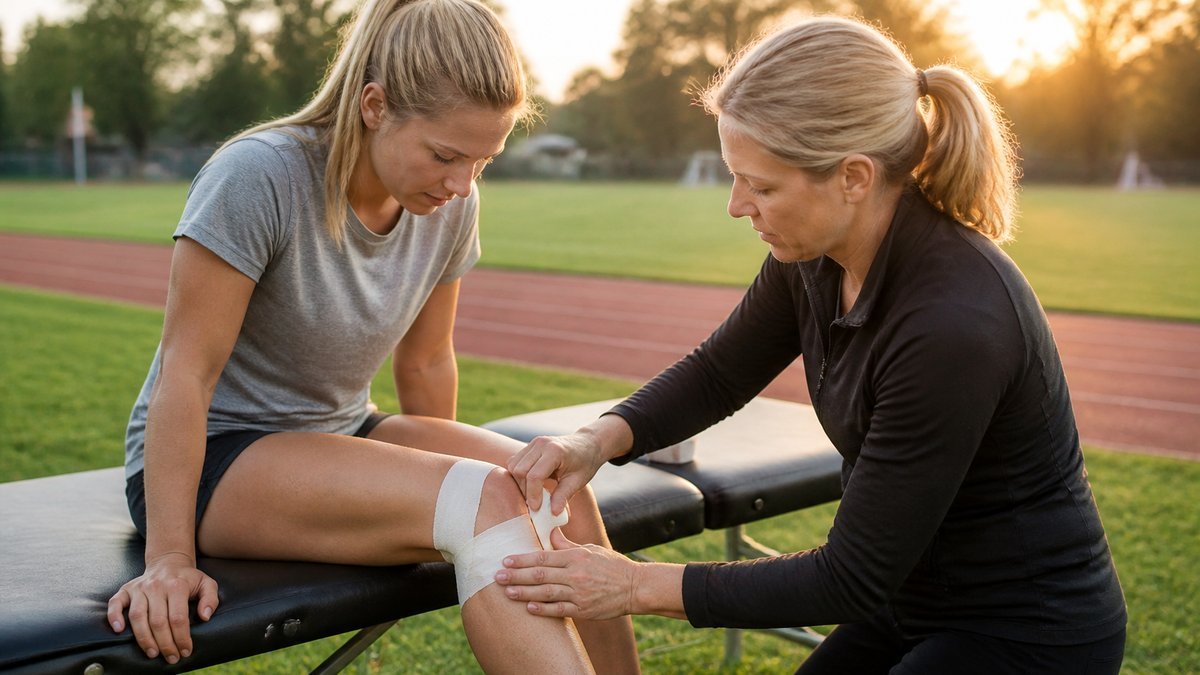
Tips for Finding CPR Training Near You
November 3, 2026
Varicose vein treatments are usually outpatient procedures done in a vein clinic. Options include laser ablation, also called endovenous laser treatment (EVLT), radiofrequency ablation, chemical sclerotherapy, and VenaSeal™ Closure System. Each treatment closes the damaged vein, and your body then routes blood through other veins. Preparation steps vary by procedure, but most follow a similar pattern that you can plan for in advance.
Reviewing Your Medical History
Your vein clinic provider will start with a consultation and a physical exam. During this visit, they will ask about your symptoms, lifestyle, and how long you have had varicose veins. An ultrasound scan often follows, and it shows how blood flows through your leg veins. The scan identifies which veins are damaged and how severe the problem is, and your provider uses this information to build your treatment plan. The scan results guide the treatment choice, and your provider will explain why one option fits your veins best. Bring a full list of your medications and supplements to your consultation.
Planning Your Treatment Day
Your provider will give you specific instructions before the appointment. Read them carefully, and contact the clinic if anything is unclear. Some clinics ask you to avoid lotion on your legs that day, and others ask you not to shave the treatment area. Avoid applying self-tanner or skin products in the days before, as they can interfere with the procedure. Eat a normal meal unless your provider says otherwise, and stay well hydrated on the day of your visit.
Wear loose, comfortable clothing that fits easily over bandages or compression stockings. Dark-colored clothing is a practical choice, and minor marking or solution can occasionally transfer. If your provider recommends compression stockings, buy them in advance. Bring them to your appointment. Having the correct size ready means you can put them on right after treatment without delay.
Preparing for Your Recovery
Recovery plans differ by treatment, and your provider will give you specific guidelines before you leave. Some providers recommend walking soon after the procedure, as movement supports healthy blood flow in your legs. Short, gentle walks are usually encouraged from day one. They help reduce the chance of blood pooling.
Keeping Up With Care
Schedule your follow-up visit before you leave the clinic, and add it to your calendar right away. Your provider may repeat the ultrasound to check that the treated vein has closed properly. Call your provider if swelling, pain, or redness increases. Signs of warmth along the vein or a fever are also worth reporting, as they may need prompt attention.
Staying Connected With Your Provider
Keep the clinic’s contact details saved on your phone, and have it written somewhere easy to find at home. Write down any questions as they come to you between visits, since it is easy to forget them by appointment day. A simple notes app or a small notebook works well for this. Arrive at your follow-up with your list ready, and your provider may address each point clearly. Tracking how your symptoms change day to day also gives your provider useful information, and it helps both of you assess how well recovery is progressing.
Book Your Vein Clinic Consultation
Preparation starts with a clear conversation with your vein specialist. Review your history, plan your treatment day, and set up your recovery in advance. Each step reduces last-minute questions, and it gives you a clear picture of what to expect. Since you can contact your clinic to book a consultation, bring your medication list to the first visit.