
Understanding Lipomas and What Causes Them
October 27, 2026
Care Tips for Ingrown Toenails
October 30, 2026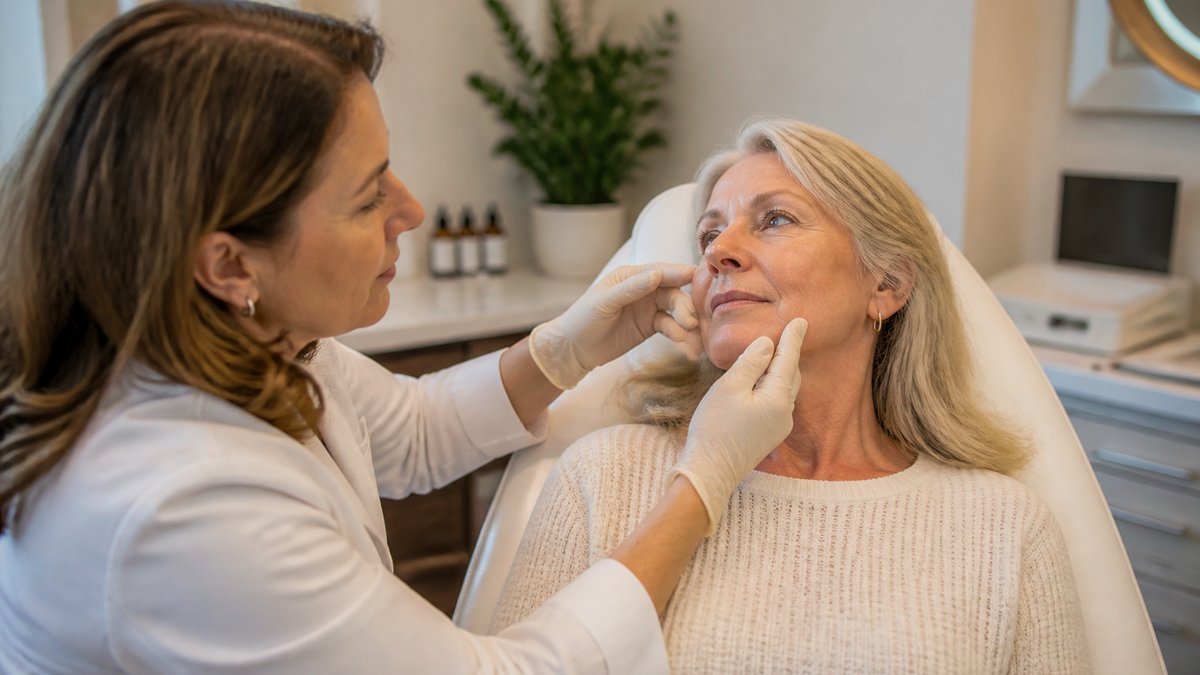
Microneedling is a cosmetic procedure that uses fine, sterile needles to create tiny, controlled punctures in the skin’s surface. Licensed providers perform it in dermatology offices and medical spas; they can apply it to the face, neck, and other body areas. Here’s more information about microneedling and its advantages:
Understanding the Microneedling Procedure
A microneedling session begins with cleansing. The provider removes makeup and oil from the treatment area, then applies a topical numbing cream; this typically takes 30 to 45 minutes to take effect. While the cream works, the practitioner may review the treatment plan with you to keep the process clear and on schedule.
The practitioner then moves a pen-style device across the skin. This device holds a cartridge of fine needles, and the provider adjusts the needle length for each zone. Thinner areas like the forehead may require shallower settings than areas with thicker tissue. The active treatment typically lasts 30 to 60 minutes, after which the provider applies a hydrating product and gives you written aftercare instructions. Providers may recommend a series of three sessions spaced approximately four weeks apart.
Examining the Practical Advantages
Minimal downtime is a significant advantage of microneedling. No general anesthesia is involved, so you can leave the clinic the same day. Unlike ablative laser treatments, this method leaves the outer skin layer largely intact. Providers may describe a recovery period of a few days, though schedules vary by individual. Ask your provider how long redness usually lasts; this allows you to plan your calendar accordingly.
Versatility is another key factor. Providers use microneedling for a range of cosmetic concerns and adjust settings to fit different areas and skin types. It can also be paired with other services; some clinics combine it with platelet-rich plasma (PRP) to promote collagen production and healing. Reasons patients may schedule this treatment include:
- Uneven skin texture
- Enlarged-looking pores
- Fine lines
- The appearance of acne scars
- Stretch marks
Planning Before and After Sessions
Preparation starts about a week before your appointment; providers may ask you to avoid sun exposure, retinoids, and exfoliating acids. If you take prescription medication or have a skin condition, share those details during your consultation so your provider adjusts the plan accordingly. On the day of treatment, arrive with clean skin; avoid makeup and heavy moisturizers. Bring a wide-brimmed hat for the trip home, and plan to arrive a few minutes early since the numbing cream needs time to work. Redness and mild swelling may appear right after a session and fade within a few days as your skin recovers. Sun protection plays a key role in aftercare. Apply a broad-spectrum sunscreen daily, and limit direct sun exposure as the skin heals.
Find a Medical Aesthetics Professional
Microneedling offers minimal downtime and a versatile approach suited to a range of cosmetic concerns. It’s ideal for addressing fine lines and wrinkles, stretch marks, and acne scars. This treatment can be a practical alternative to peels and lasers for some patients, and a licensed provider evaluates your skin to build a plan that fits your schedule. Write down your questions about session count and aftercare, then schedule a consultation with a qualified provider today.