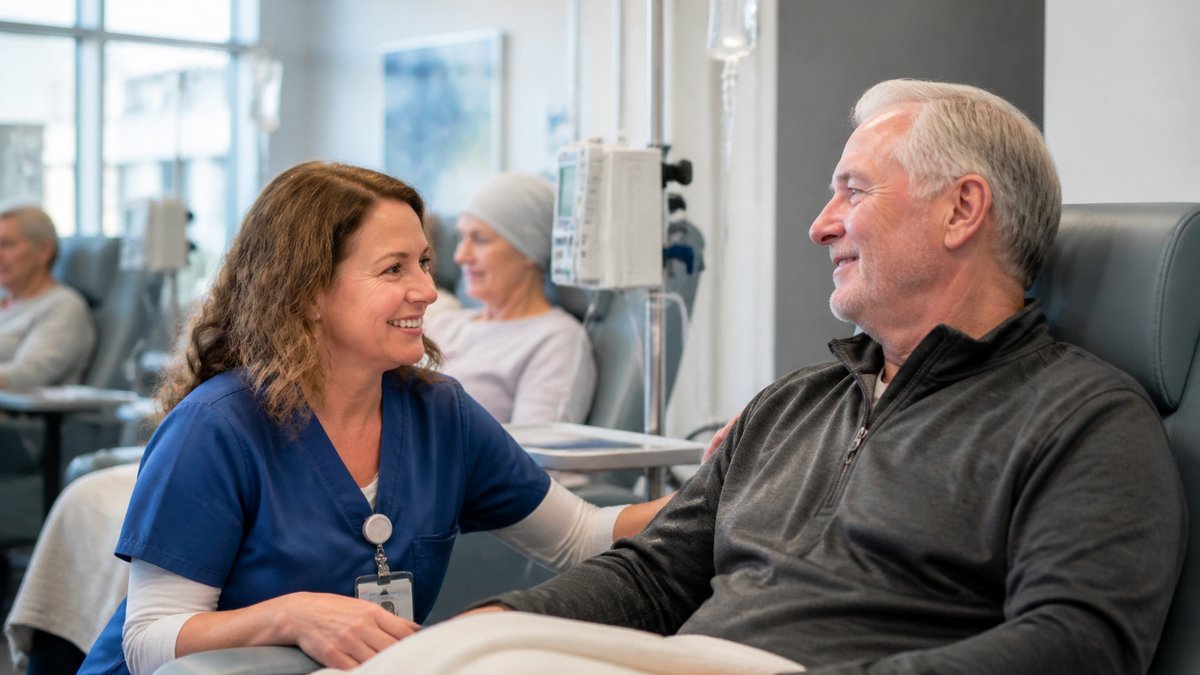

Exploring the Benefits of IV Therapy
November 18, 2026
Benefits of Regular Psychiatric Evaluations for Mental Wellness
November 19, 2026
Injury prevention in sports medicine focuses on reducing stress on joints and soft tissues before damage develops. People returning to activity benefit from structured strategies, and they can use strategies that match their current fitness level. When training loads rise faster than the body adapts, tissue breakdown may outpace healing. A thoughtful approach to preparation, recovery, and monitoring helps keep training consistent.
A Foundation With Strength
Muscles and ligaments tolerate repetitive forces more effectively when strength and mobility progress in a planned way. A program that targets movement patterns rather than single muscles supports the demands of running, jumping, and rapid direction changes. When surrounding muscles share the workload, joints face less strain, and this balance lowers the chance of acute injury. Sports medicine professionals guide athletes toward strength gains, and they track how the body responds across each training cycle.
Warm-Up and Recovery Habits
Preparation before activity and structured recovery afterward both influence how tissues respond to training stress. A brief warm-up raises muscle temperature, and it primes the nervous system for coordinated movement during practice or competition. Since recovery strategies give tissues time to adapt between sessions, they help athletes return to training with fewer lingering symptoms.
- Dynamic warm-up: Use light aerobic movement followed by controlled leg and arm swings, which prepare joints for larger ranges.
- Gradual intensity build: Start with lower-speed drills, then progress to sport-specific sprints or jumps as the body responds.
- Post-activity stretching: Focus on major muscle groups used in the session, and hold each stretch for a short, steady period.
- Weekly load management: Track weekly training volume, and adjust frequency or intensity if soreness lingers longer than expected.
- Supportive sleep and hydration: Support tissue recovery with regular sleep patterns and consistent fluid intake throughout the day.
Technique, Screening, and Response
Movement quality influences how force travels through the body, so small technique errors often accumulate into larger problems over a season. When athletes repeat a skill with poor alignment, one region sometimes absorbs more load than it can safely handle. Video review, on-field coaching, and input from sports medicine specialists help identify these patterns. Targeted exercises then address the specific weakness or coordination issue. Periodic movement screening also highlights side-to-side differences, and those findings guide corrective work before pain limits performance.
Early response to discomfort changes the course of many injuries, and athletes benefit when they treat mild symptoms as useful feedback. If pain appears at the same point in each session, training logs help reveal whether intensity, surface, or equipment played a role. Short-term adjustments often include reducing volume or substituting low-impact conditioning while symptoms settle. When pain persists, worsens, or affects daily tasks, a medical evaluation gives a clearer picture of the underlying issue, and it supports a safer return plan. The team notes that their approach emphasizes prompt access, and they help patients address concerns before they progress.
Schedule a Sports Medicine Visit
Targeted guidance from a medical professional supports safer training, and it helps athletes match prevention strategies to their specific sport. If you notice recurring soreness, reduced range of motion, or difficulty completing regular workouts, schedule an evaluation with a qualified provider. A timely assessment through a clinic helps clarify the source of symptoms. Your provider will outline a practical plan for returning to activity.