
Tips for Finding CPR Training Near You
November 3, 2026
Lifestyle Changes To Help Manage Peripheral Neuropathy
November 4, 2026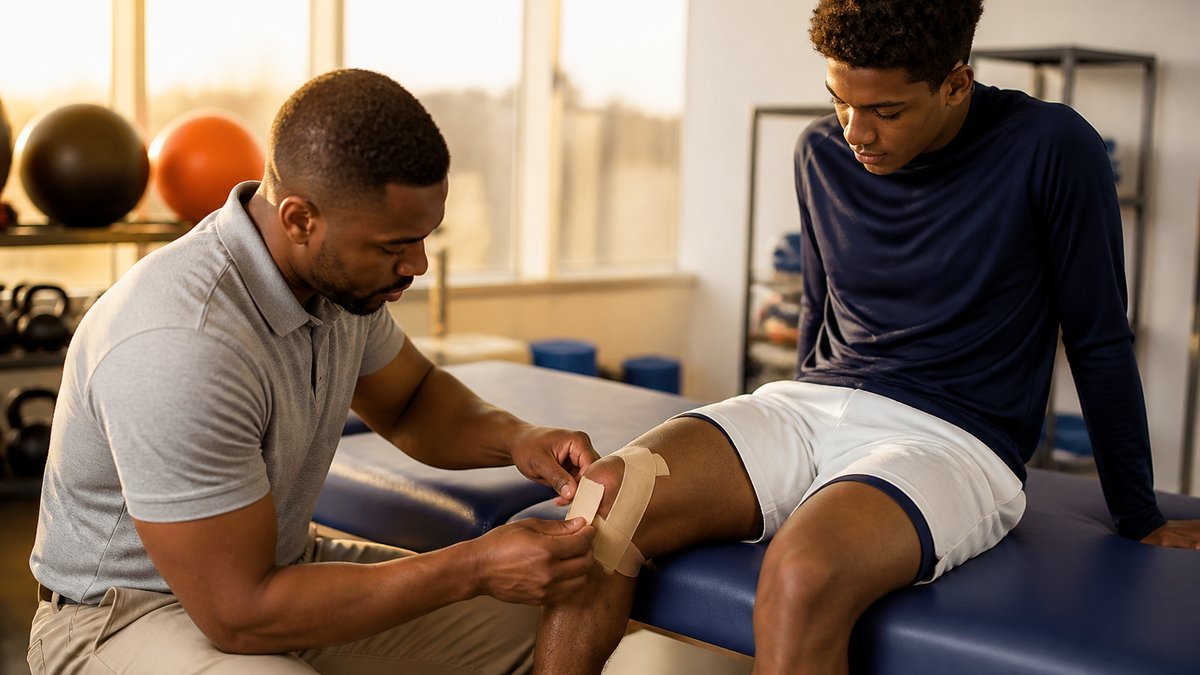
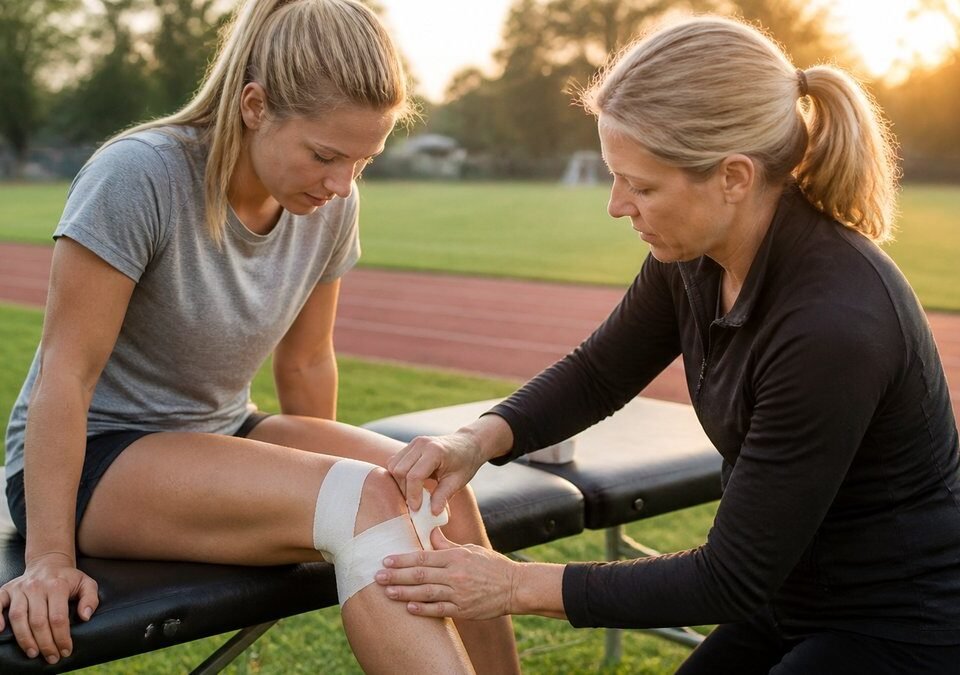
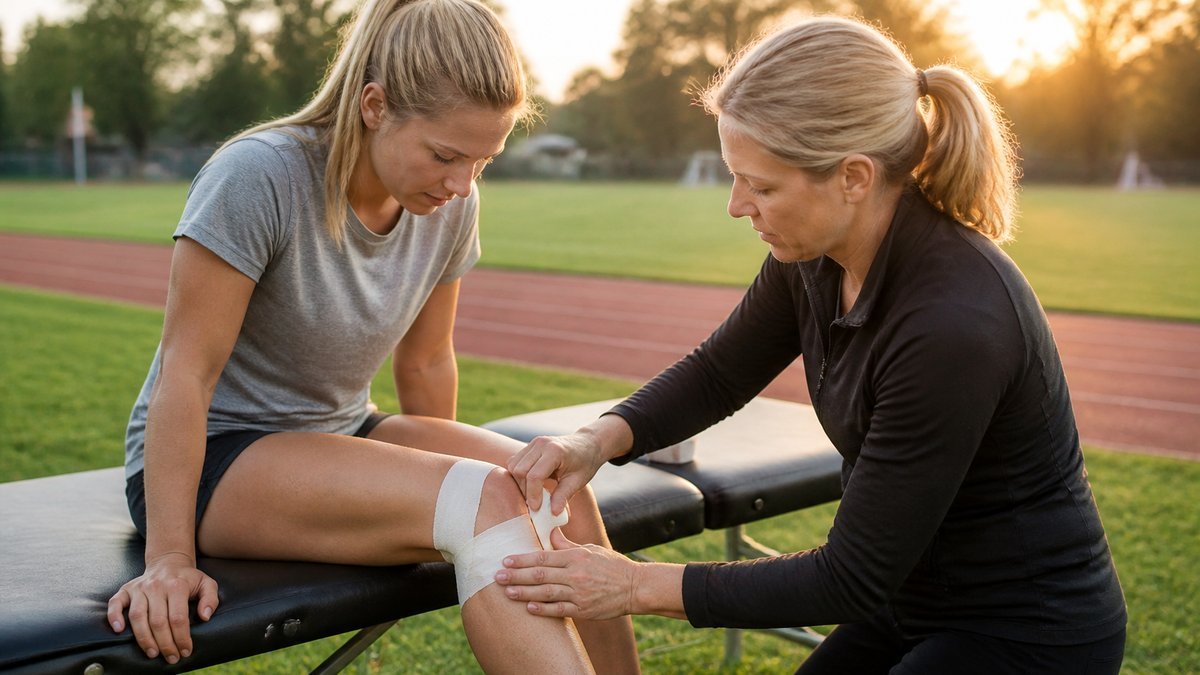
Sports injuries happen when the body takes on more force than it can withstand, and examples include sprains, strains, growth plate injuries, and stress fractures. Children and teens are still growing, and their bones, muscles, and tendons develop at different rates. These practical habits may help lower the risk of many of these injuries:
Stretch Before Being Active
Before practice or a game, young athletes can do a warm-up that raises heart rate and loosens muscles. Dynamic stretches work well for this purpose. These stretches move the body through a full range of motion, while they mimic the actions of the sport. Warm-ups are fast, and they may help reduce sports injuries. Try these stretches:
- Arm circles, forward and backward
- Leg swings, front to back and side to side
- Lunges while walking
- Jogs with skips
Get Proper Training
Proper training starts with a qualified coach. Before a young athlete moves on to harder skills, a good coach teaches correct technique. Poor form strains joints over time, and it typically leads to overuse injuries in the shoulders, elbows, and knees. Ask the coach about safety certifications.
Training loads need to build slowly, and coaches should track weekly practice hours. A sudden jump in practice time raises injury risk. If your child joins a new team, ask the coach how practices progress through the season.
Since muscles and bones repair themselves during rest, young athletes need one or two days off each week. Your doctor can suggest a break from one sport each year, and that break typically lasts months. Tired athletes lose focus and form. Watch for drops in performance, complaints of soreness, or loss of interest.
Mix Up Athletic Activities
Playing one sport all year repeats the same movements, and that repetition stresses the same body parts. Pitchers, swimmers, and gymnasts may face higher overuse risk when they train in only one sport. Doctors typically recommend delaying single-sport specialization until the later teen years. Some young athletes play two seasonal sports, and others add a fitness class.
Different sports work different muscle groups. A soccer player who also swims builds strength in the upper body and core. Your child does not need to master a second sport, but variety gives overworked areas a break. Free play, biking, and hiking also count as variety.
Wear Proper Equipment
Each sport has its own gear, and leagues may set minimum equipment rules. Gear needs to fit your child’s current size. Equipment that is too big or too small may shift during play. Ask the coach which items the league requires, including:
- Helmets for football, hockey, baseball, softball, and biking
- Mouthguards for contact sports
- Shin guards for soccer
- Protective eyewear for racquet sports and basketball
- Shoes designed for the specific sport
When your child grows, check helmets, pads, and shoes for a proper fit again. Replace cracked helmets and worn-out shoes right away. Used gear may save money, but it should meet current safety standards.
Get Evaluated for Sports Injuries
Some injuries heal with rest, but others need a medical exam. Swelling, numbness, and limping are warning signs. Take your child to a specialist if pain lasts more than a few days or limits movement. A sports physical before each season checks for existing problems.