
How a Personal Trainer Can Help You Improve Technique
September 13, 2026
Exploring Effective Knee Pain Treatments
September 17, 2026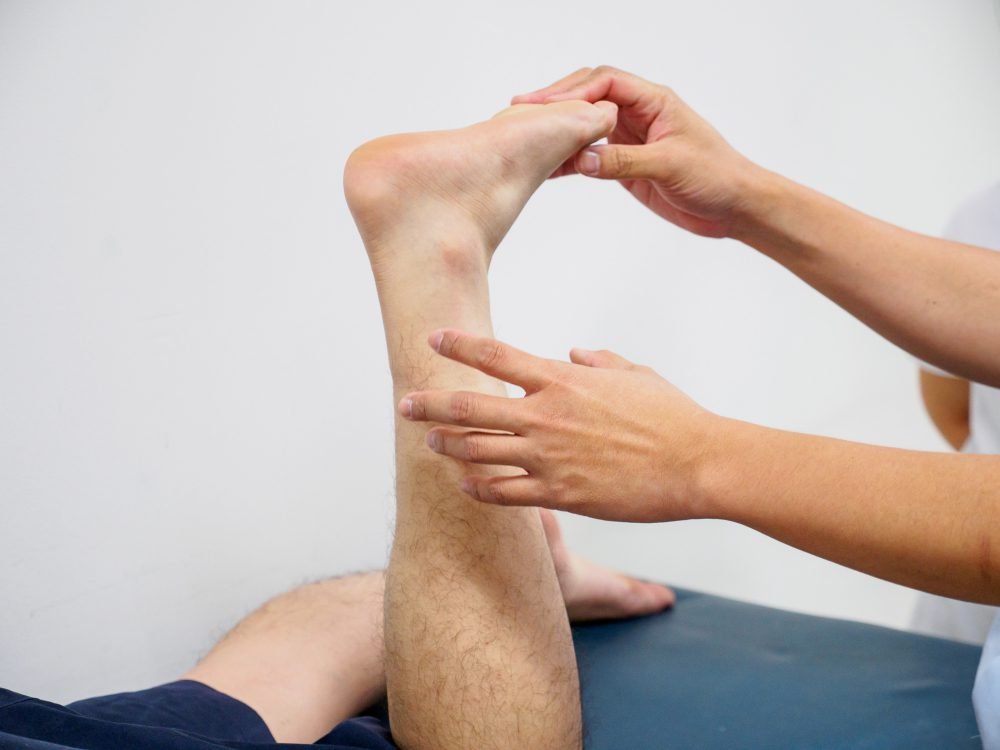
Foot and ankle specialists are physicians who focus on the lower limbs, and they build treatment plans that match each patient. Since feet carry your entire body weight, small injuries sometimes turn into larger issues. Here are several methods these specialists use:
Stabilizing the Ankle
A specialist starts by assessing how your ankle moves. Bracing supports the joint, and taping limits motion that irritates injured tissue. When a sprain leaves ligaments loose, extra support helps the area settle. Foot and ankle specialists may recommend rest during this early stage.
Some patients need firmer devices for longer periods. A walking boot holds the joint in place, and it lets you move with less strain. Since bones need time to knit, a cast sometimes replaces a brace. These tools aim to reduce pressure on the healing region, and follow-up visits track your progress closely.
Providing Physical Therapy
Physical therapy rebuilds strength that injuries drain away. A therapist designs targeted exercises, and these routines restore motion gradually. Since muscles weaken during rest, guided movement matters for recovery. You practice many of these steps at home. Standard therapy methods include:
- Range-of-motion stretches for stiff joints
- Balance drills to steady your steps
- Resistance work that strengthens the calf and foot
Your therapist tracks each session and updates your plan. Progress varies from person to person, and honest feedback shapes the schedule. When one exercise causes pain, the therapist swaps it for another. Steady practice supports the tissue as it heals.
Injecting Steroids
Steroid injections target inflammation inside a joint. The medication calms swelling, and it eases pressure on nearby nerves. Since relief lasts only a set time, doctors space out these treatments carefully. Your specialist reviews your history before any injection. Doctors may use injections for these conditions:
- Arthritis pain in the ankle joint
- Plantar fasciitis in the heel
- Tendon inflammation along the foot
The specialist explains each risk before proceeding. Injections have limits, and repeated doses may weaken tissue over time. When shots stop helping, your doctor discusses further care. This method fits into a broader plan rather than standing alone.
Performing Arthroscopic Surgery
Arthroscopic surgery uses small incisions and a tiny camera. The surgeon views the joint on a screen, and this approach avoids large cuts. Since the openings stay small, recovery typically moves faster than open surgery. Your team explains the process during your consultation.
Surgeons treat several problems with this technique. When scans reveal a hidden tear, the camera helps confirm the cause. They remove loose fragments, and they repair damaged cartilage inside the joint. The specialist reviews images with you afterward.
Recovery follows a structured timeline. You rest first, and therapy resumes once the joint tolerates movement. Since each case differs, your surgeon sets a personal schedule. Regular checkups confirm that the joint heals as expected.
Find Foot and Ankle Specialists
A comprehensive approach connects each of these methods into one plan. Specialists match treatment to your condition, and they adjust the plan as you heal. Since your feet affect daily movement, timely care makes a real difference. Book an appointment with a foot and ankle specialist, bring your questions, and share your full symptom history at the visit.